The Human Side of Nature Conservation
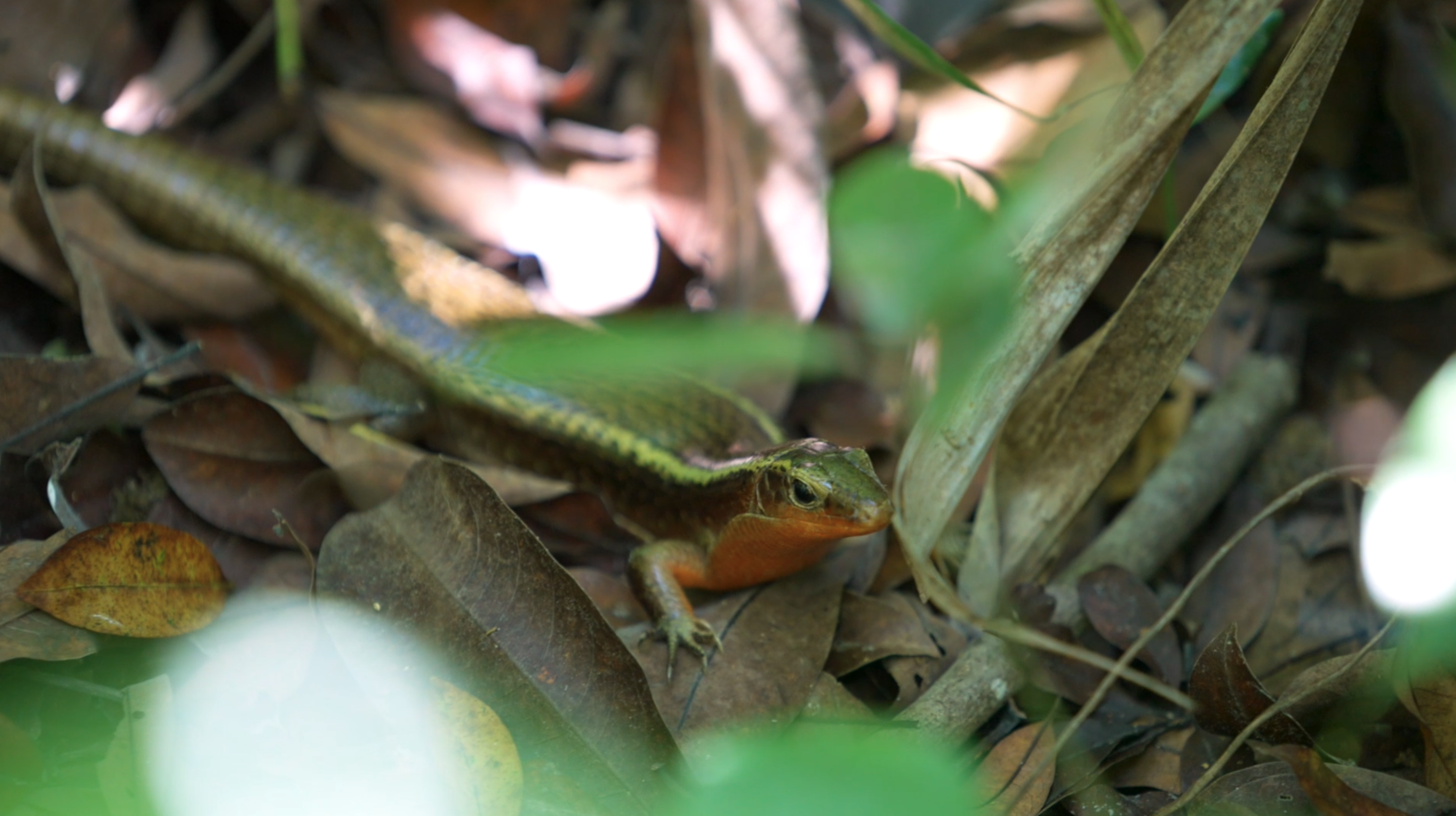
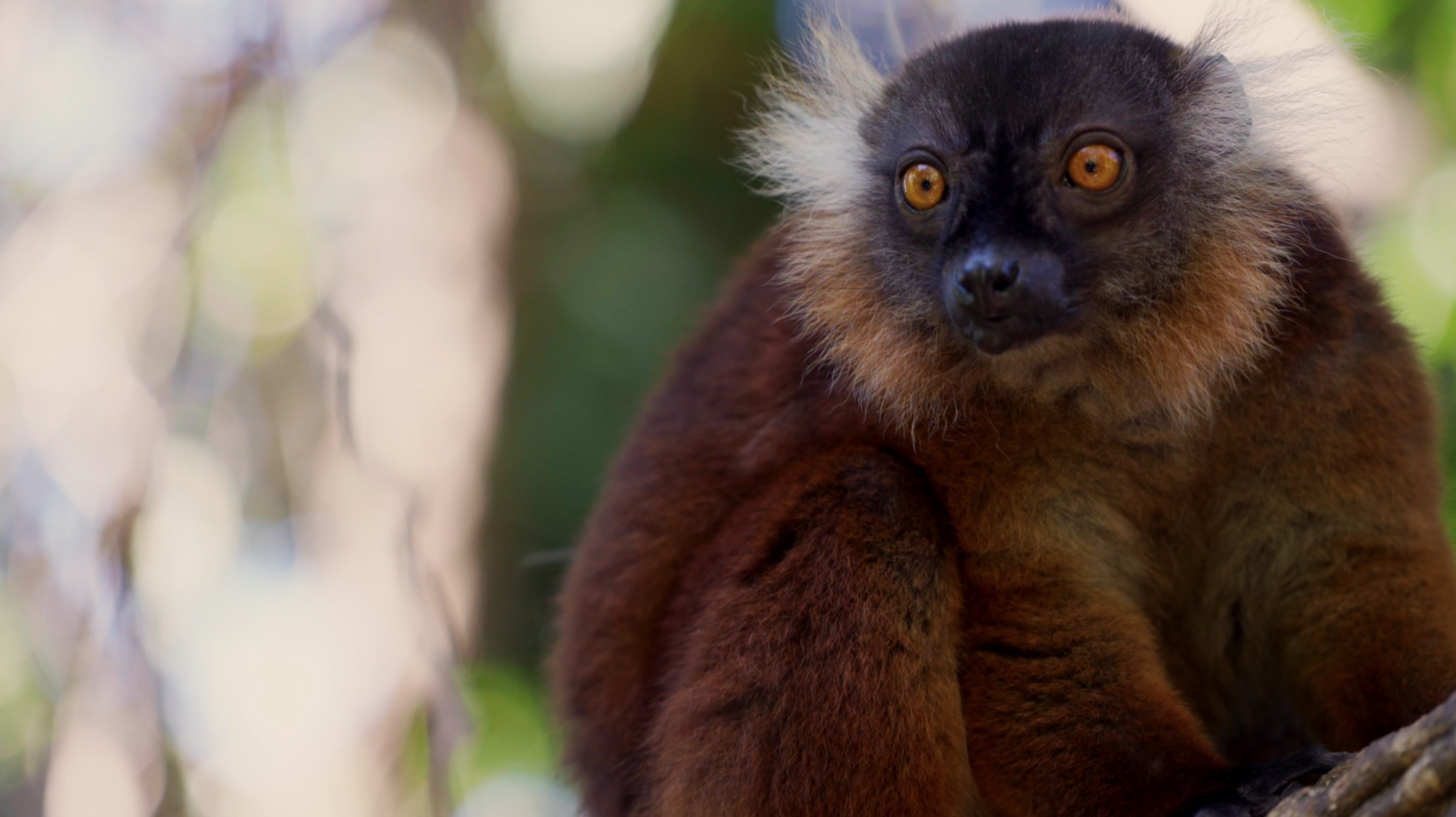
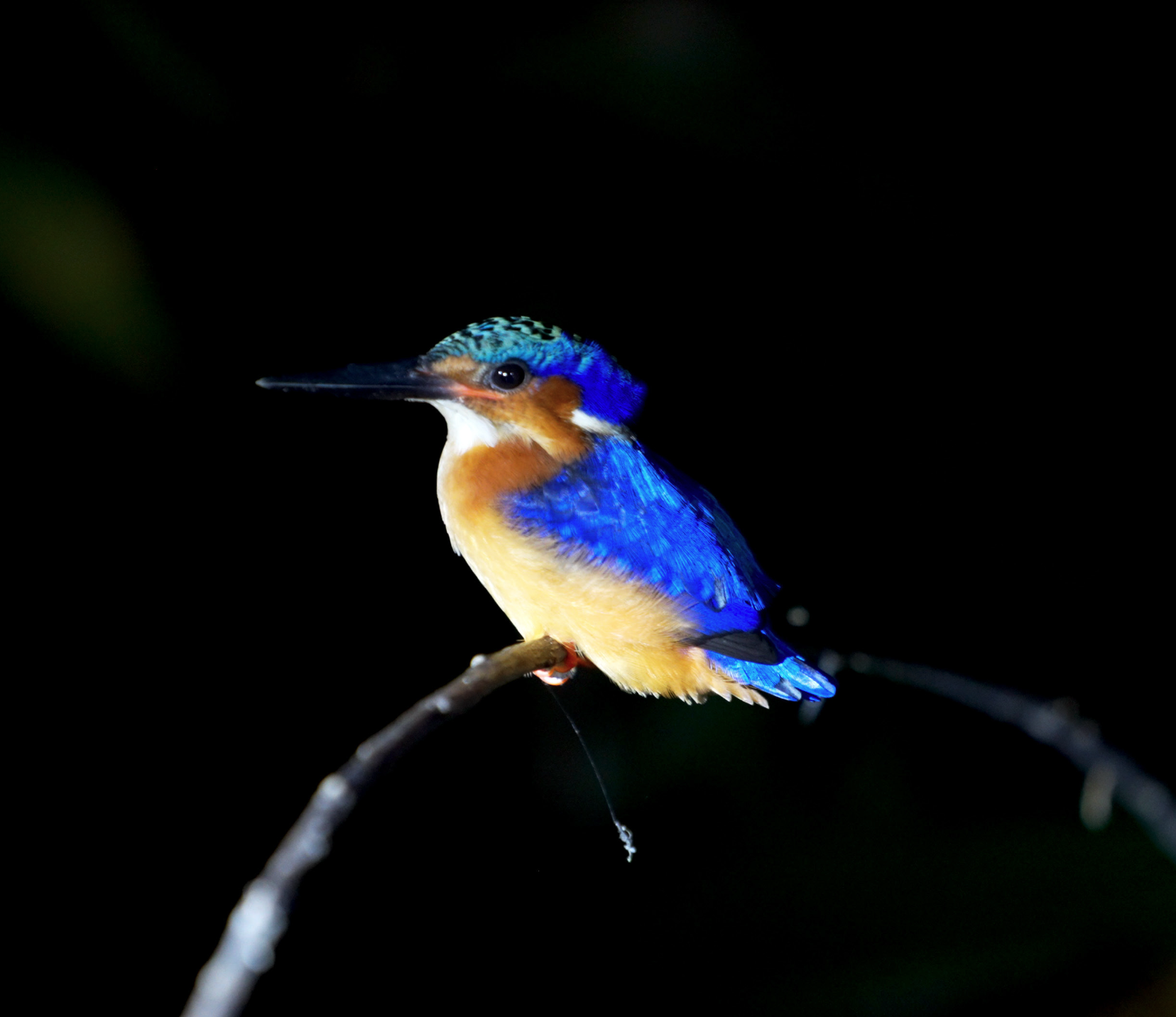
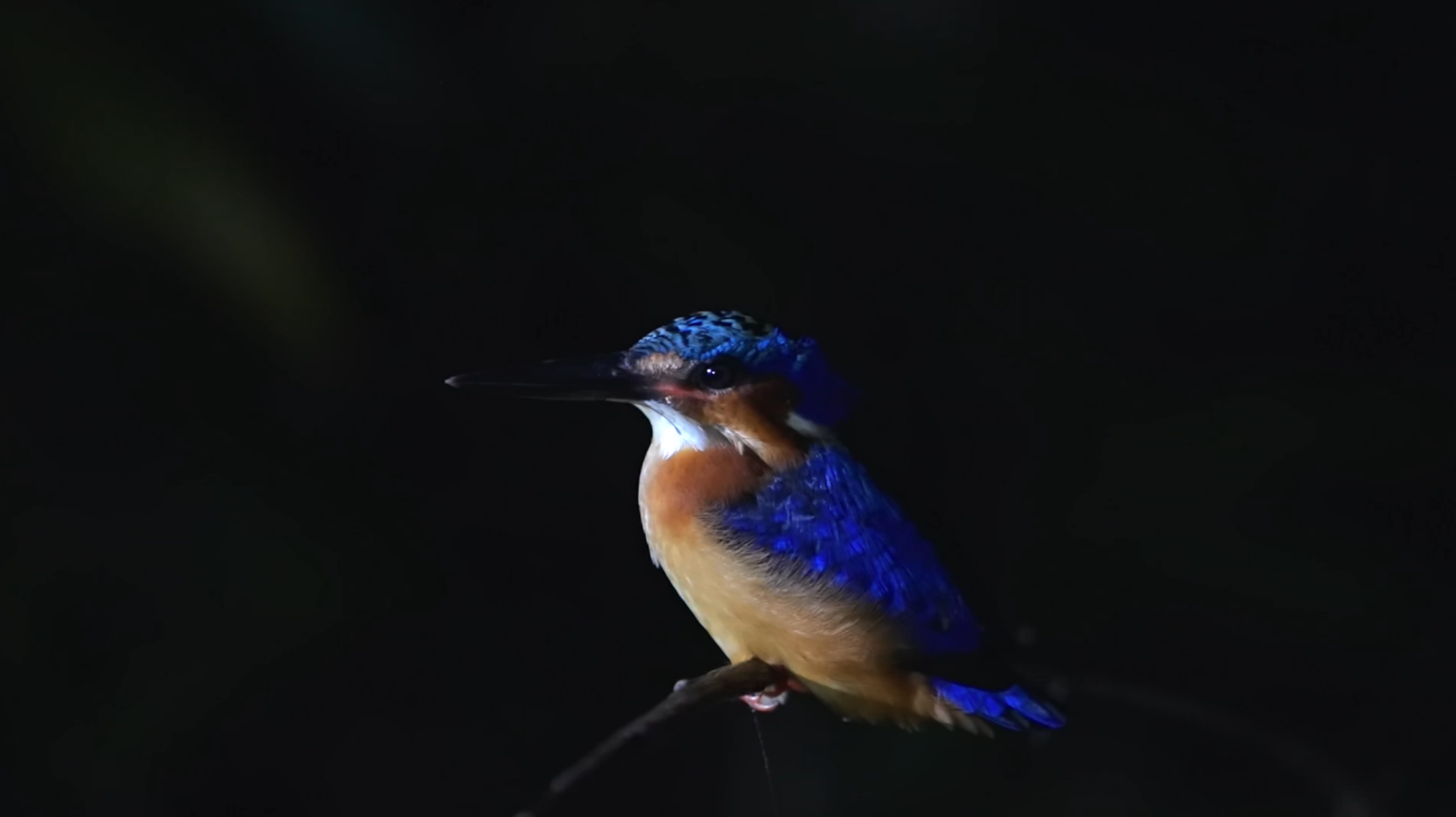
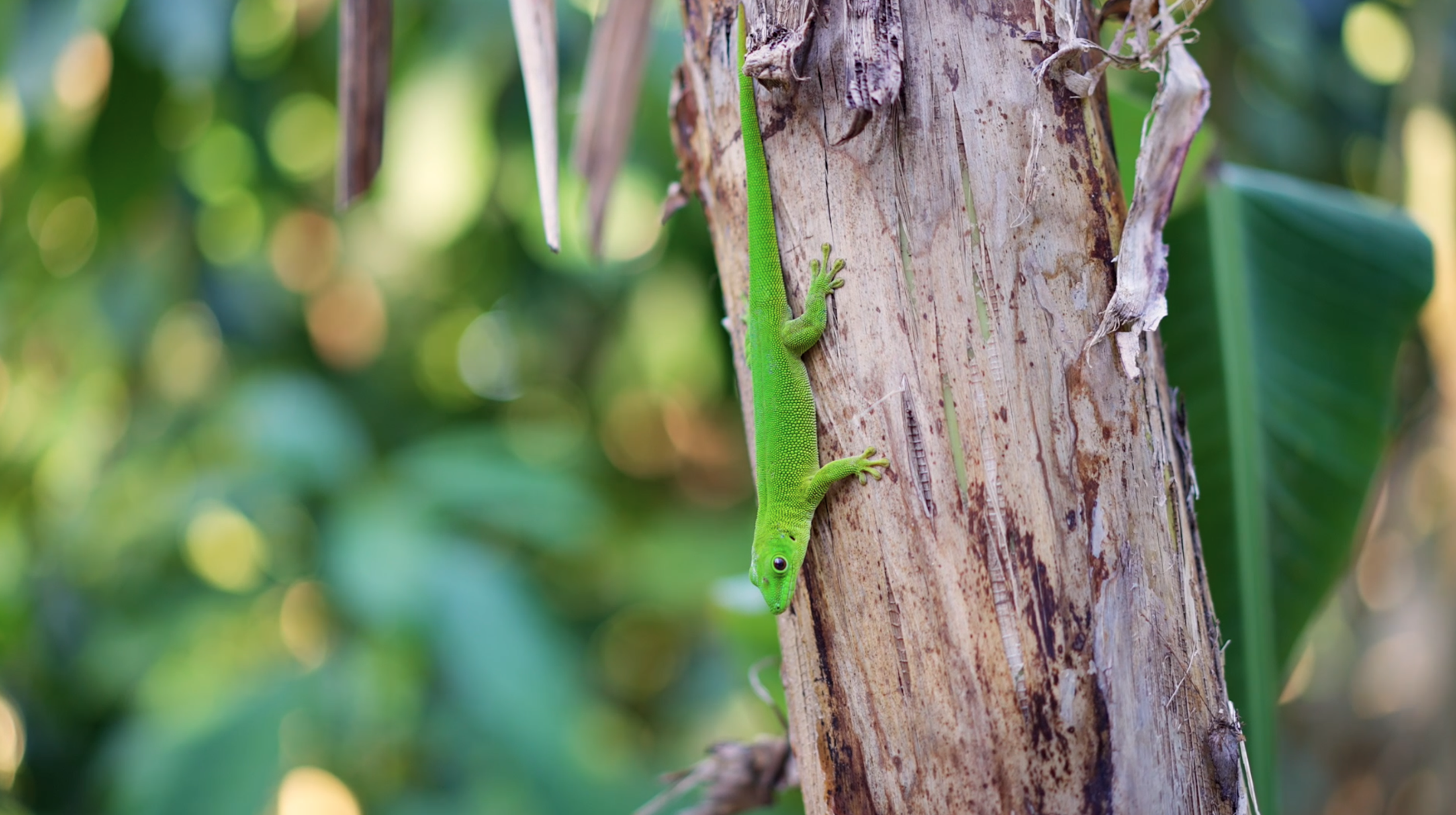
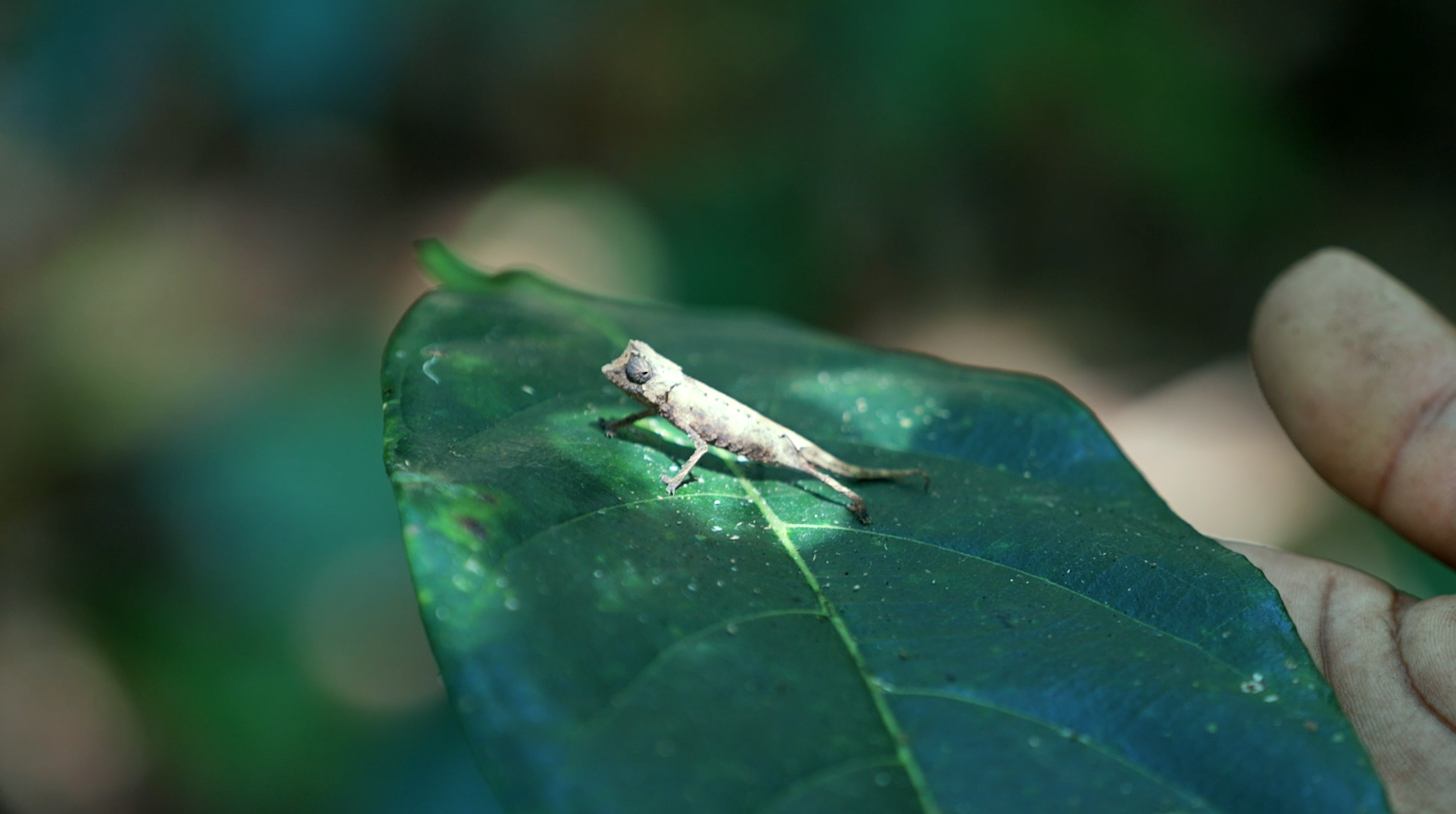
Madagascar - a land of ancient forests, vibrant creatures, and ecosystems found nowhere else on Earth - transformed me. The island nation is home to playful lemurs and brilliantly colored chameleons, and more than 200,000 species - 80% which are endemic, which means they exist only on this island.
But while I was mesmerized by its biodiversity, my journey to Madagascar revealed something more profound: the fragile bond between this wondrous wildlife and the people who call Madagascar home.
The Reality We Face
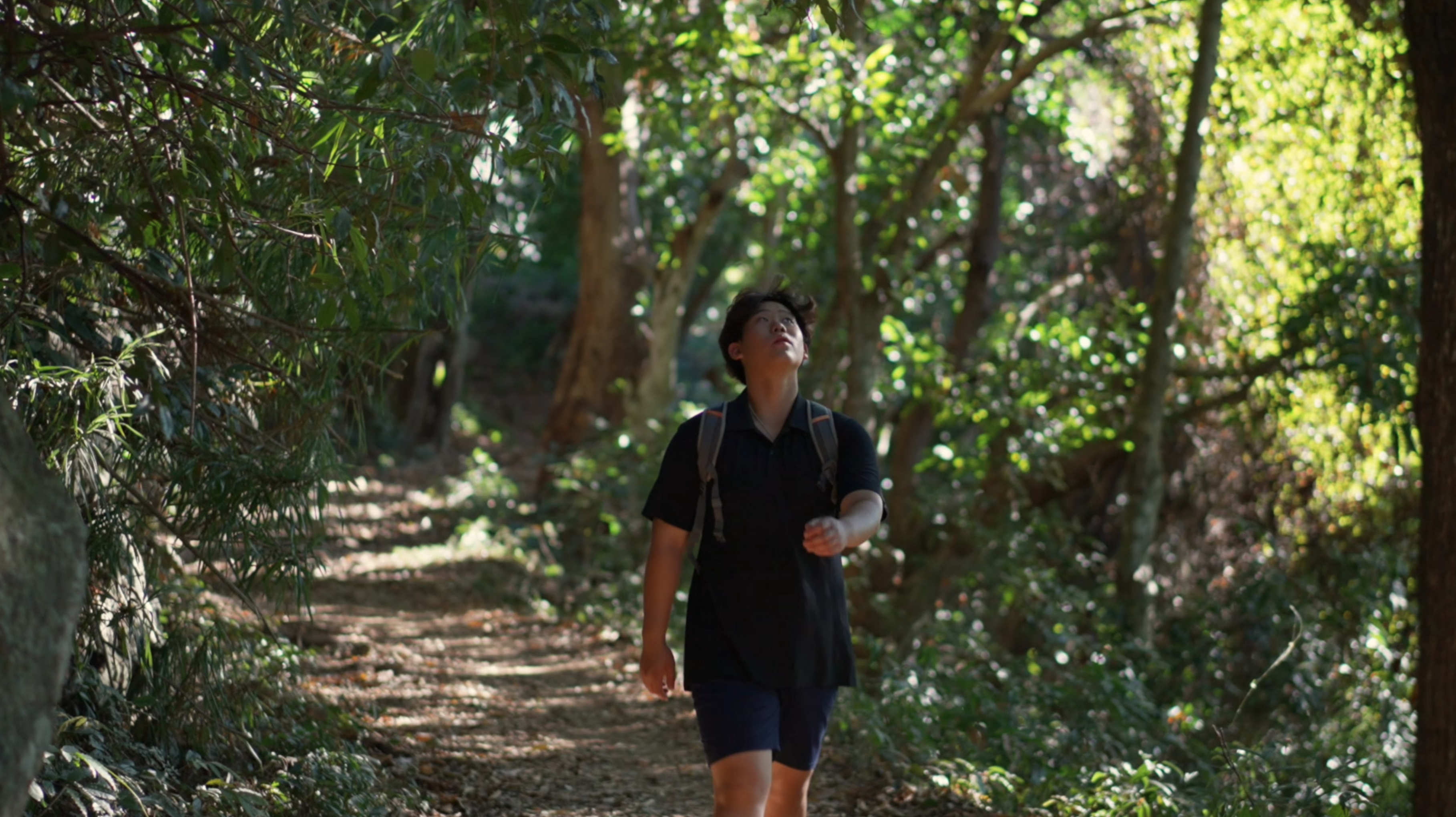
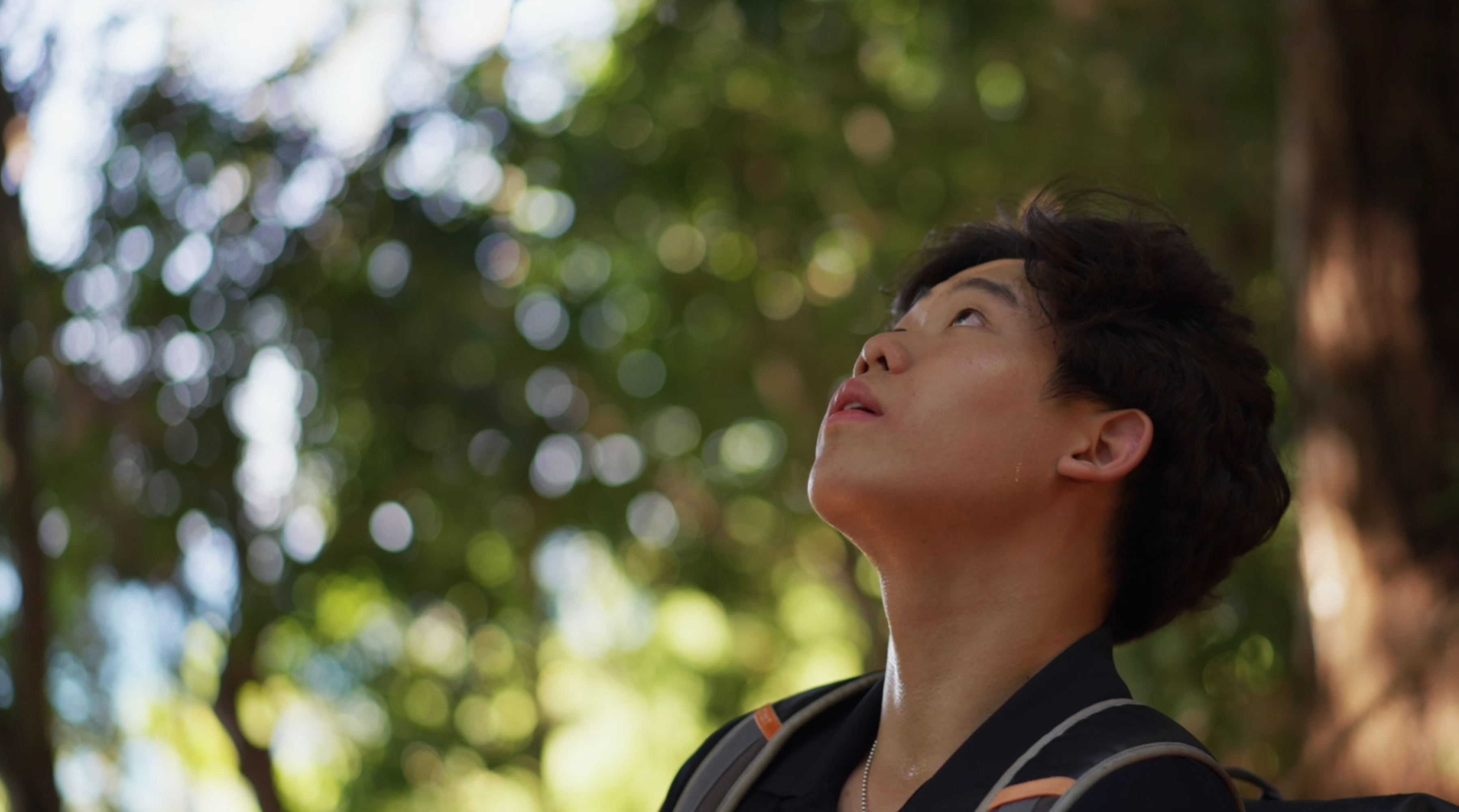
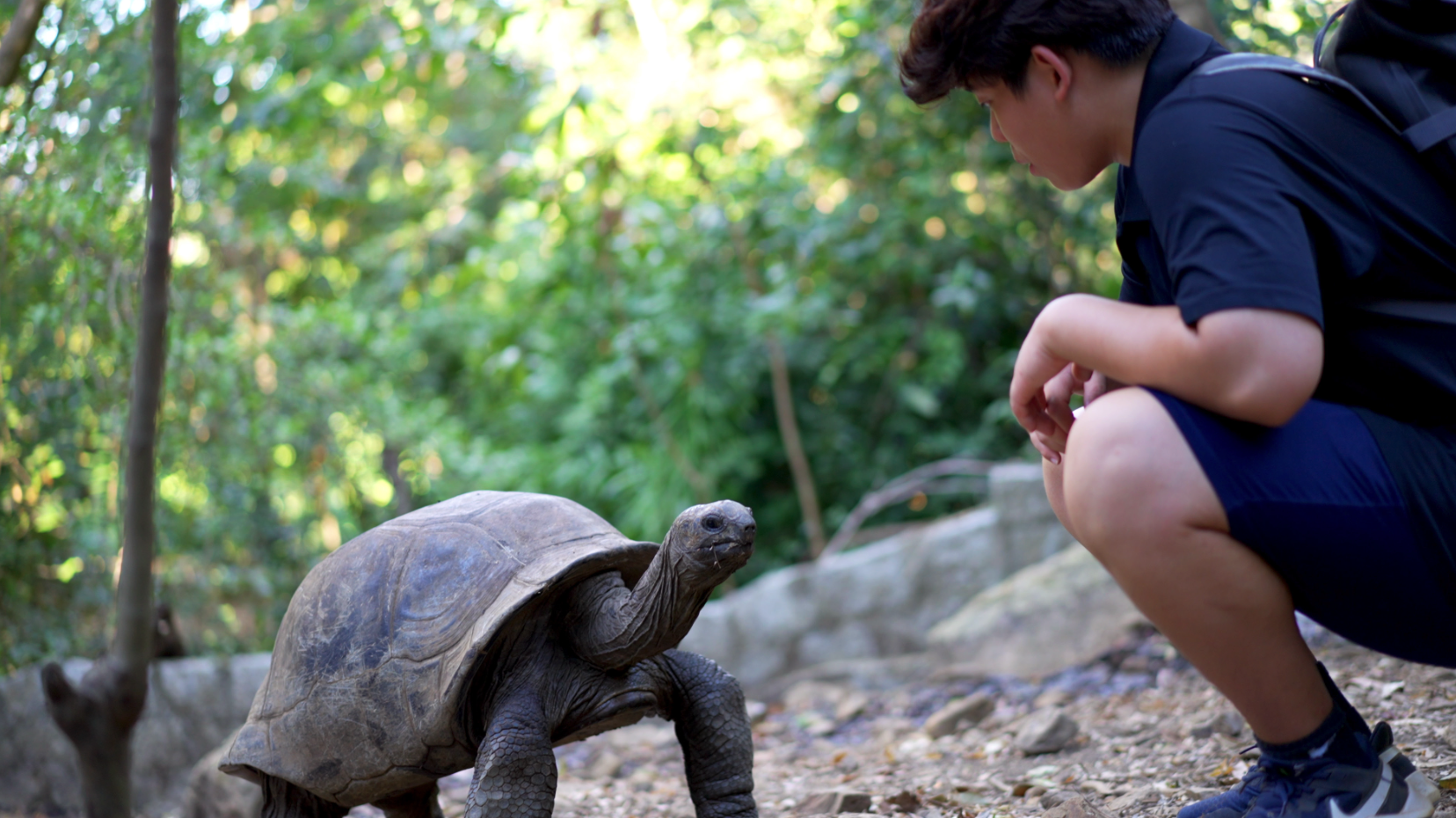
As I wandered through the lush forest, I saw firsthand the delicate balance between the island's unique ecosystems and the encroachment of human activity.
It wasn't just the breathtaking wildlife that struck me - it was the mounting pressure placed on their habitats. Expanding agriculture, illegal logging, and the demand for resources were carving away the very environments that these species depend on for survival.
The question became clear: How do we protect nature without leaving people behind?
Conservation Stories
Four films documenting the people, wildlife, and ecosystems of Madagascar through immersive storytelling
Madagascar: Island of Wonders
An immersive journey through Madagascar's vanishing rainforests and the endemic species fighting for survival. This documentary reveals the urgent conservation challenges facing one of Earth's most biodiverse regions and the innovative approaches being developed to protect it.
Into the Field
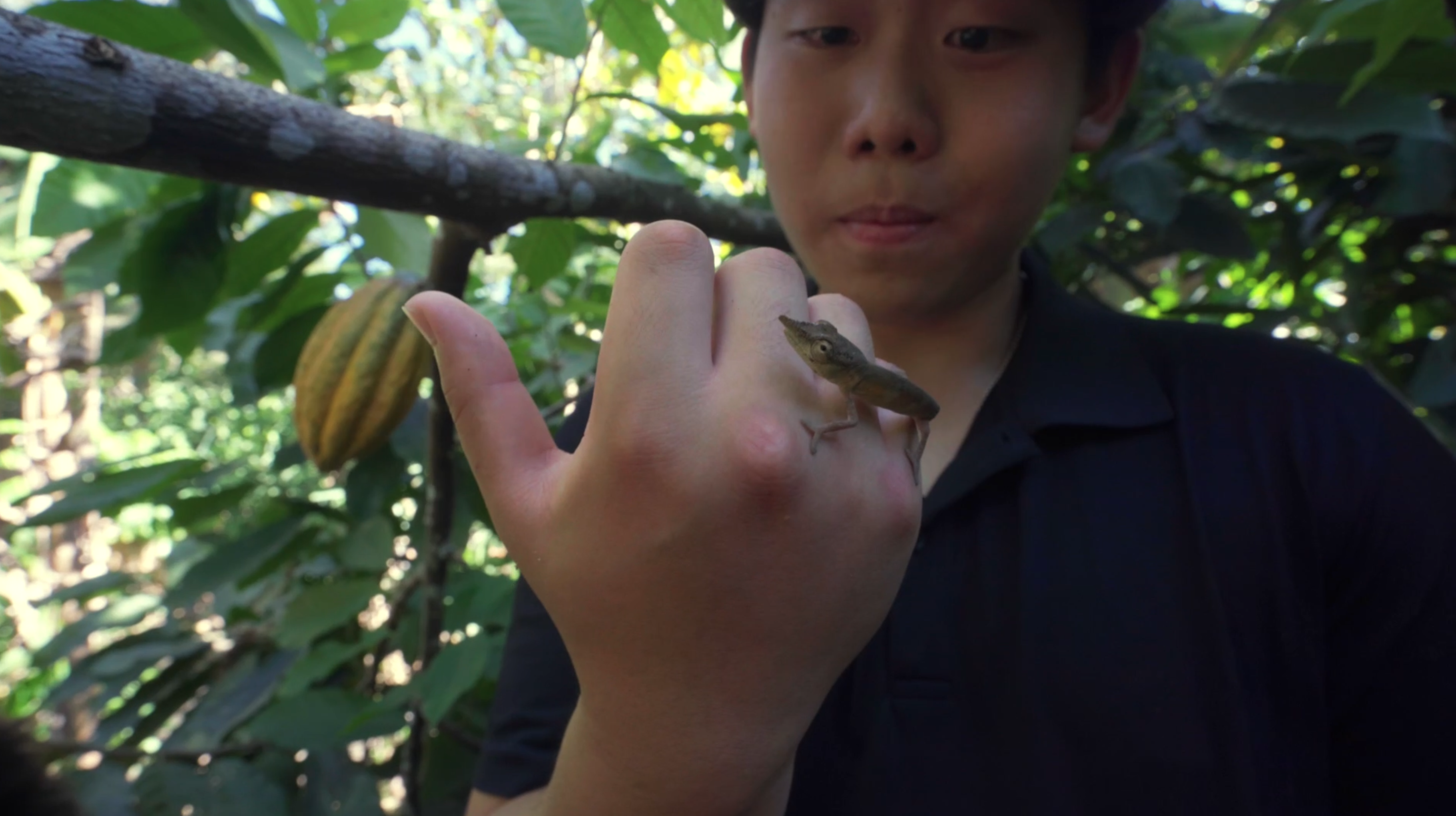
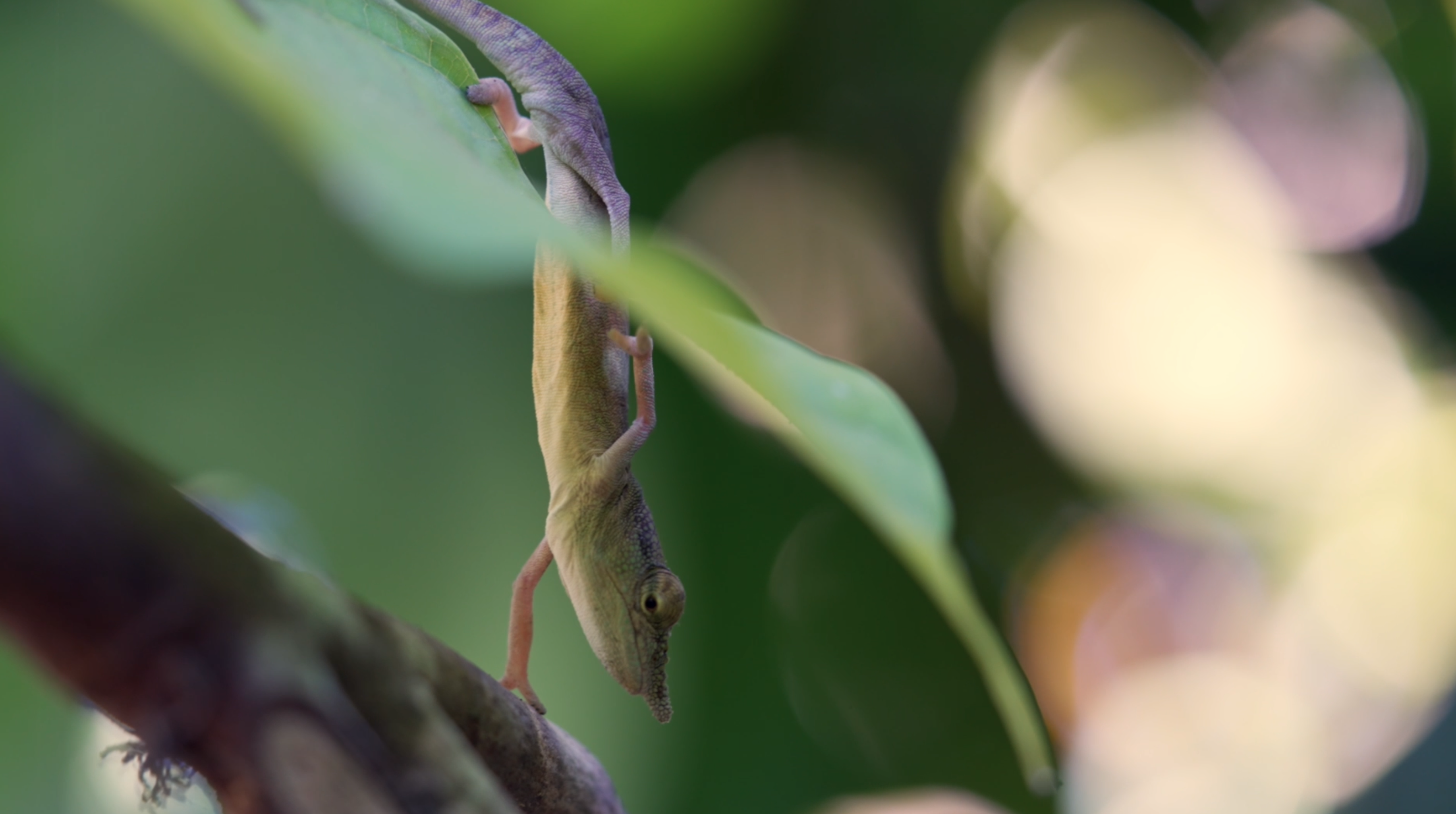
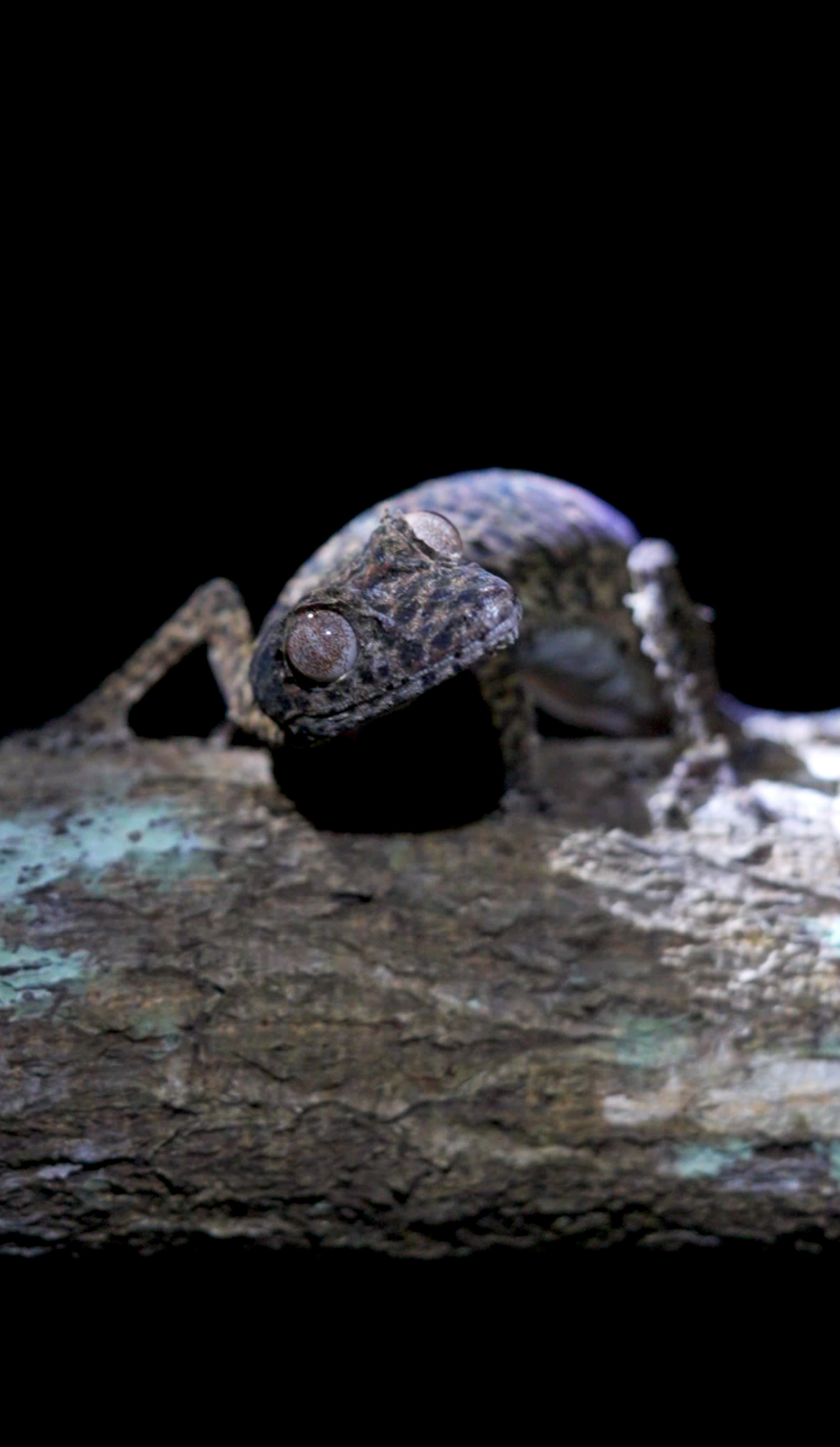
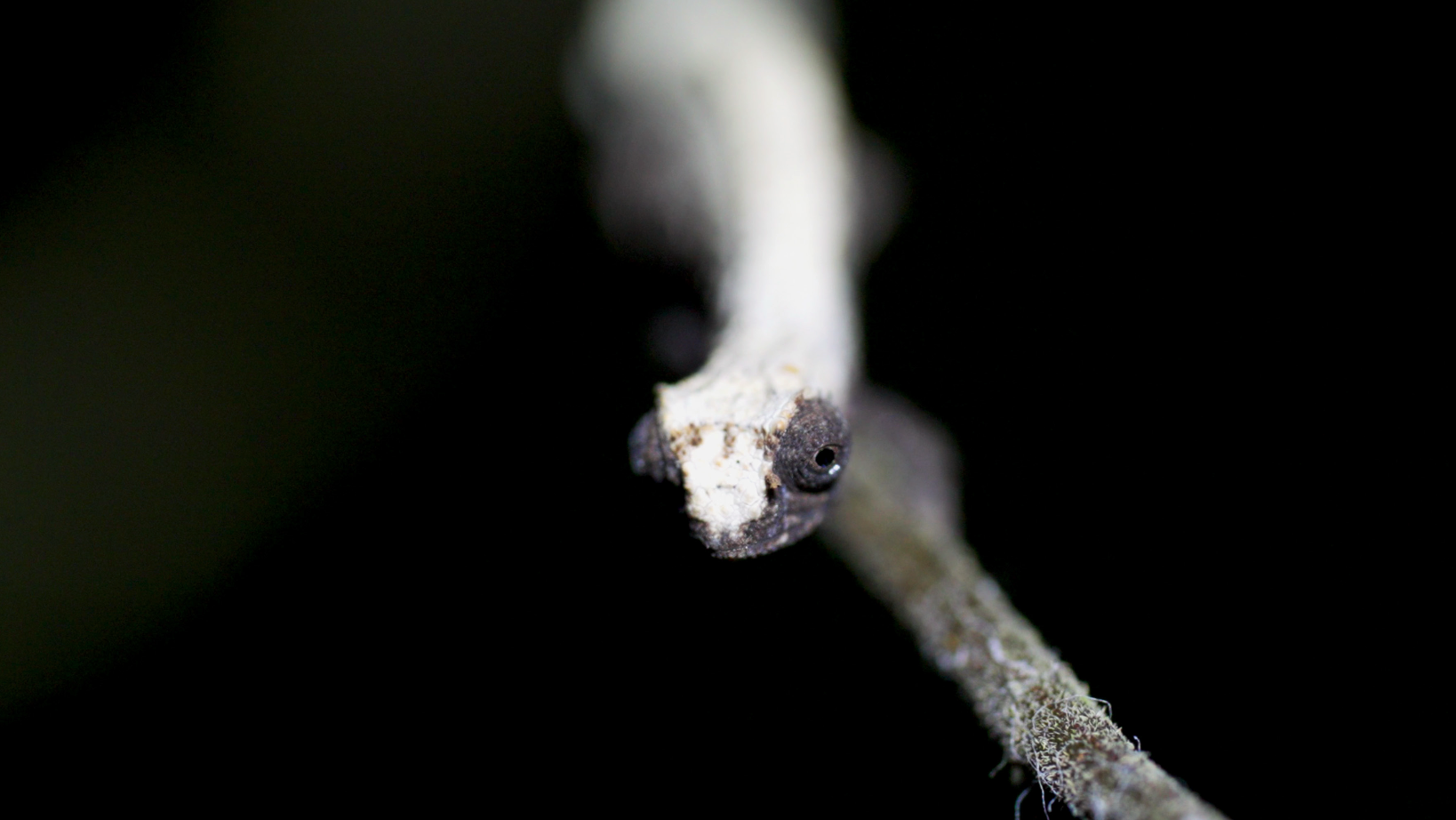
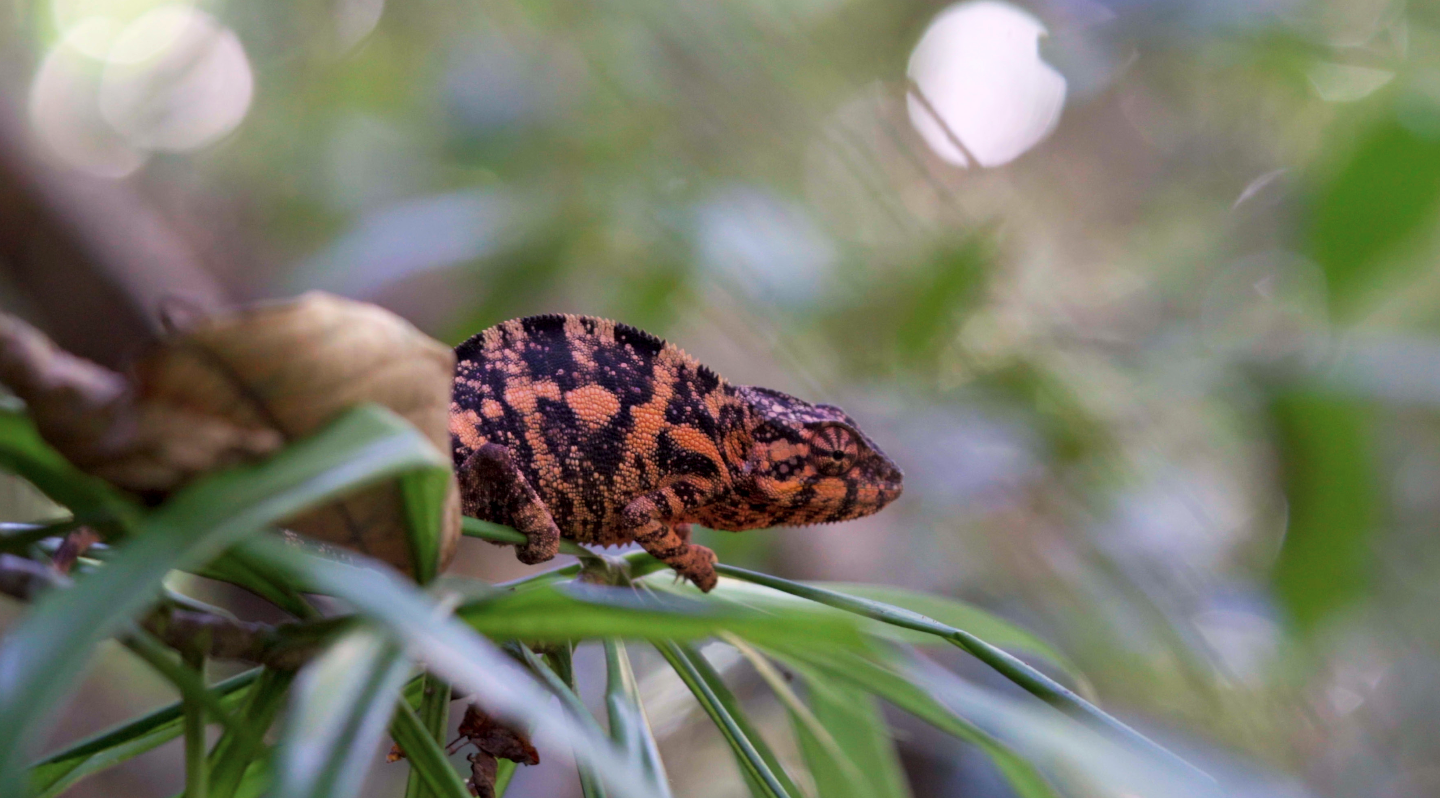
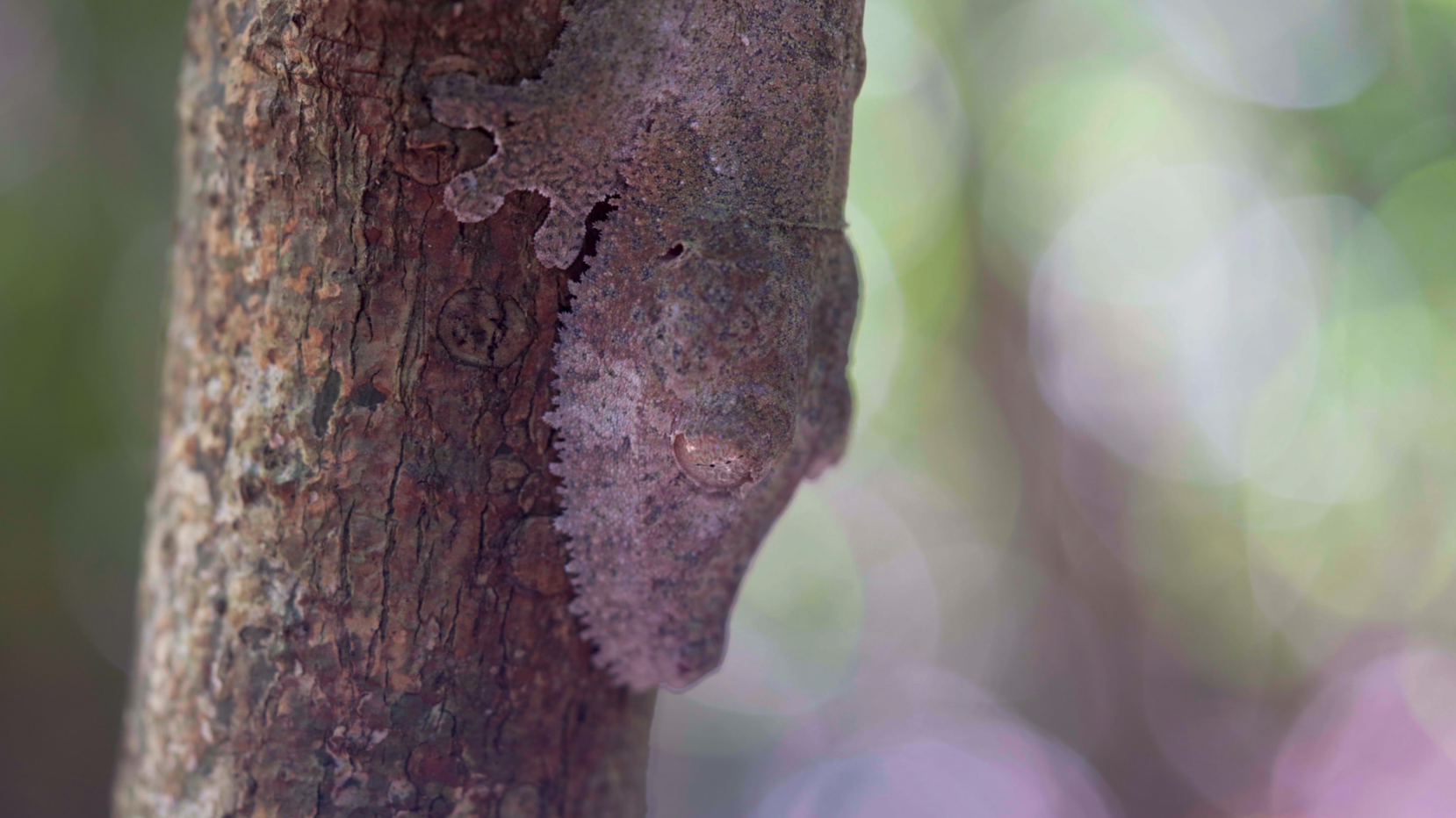
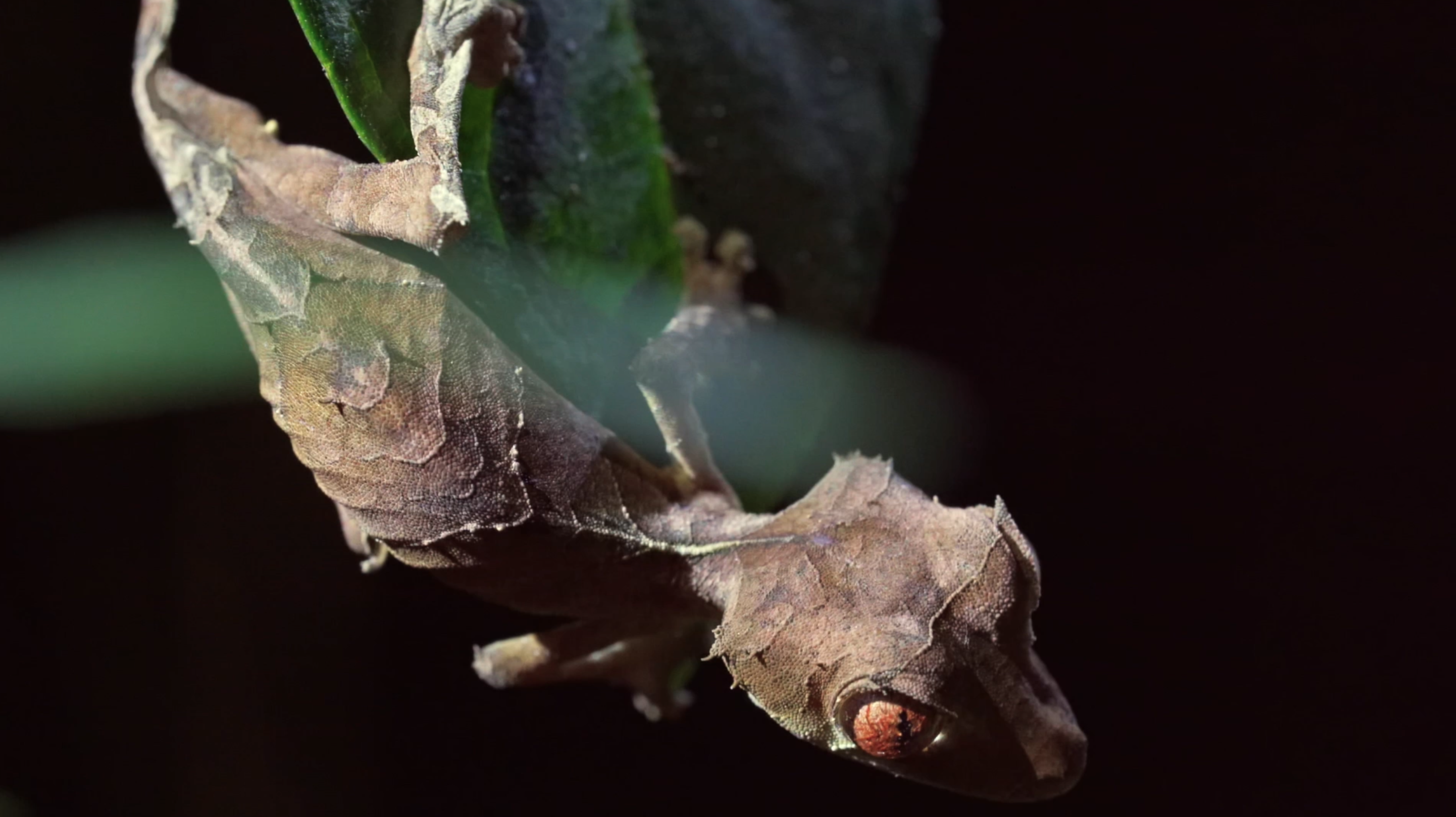
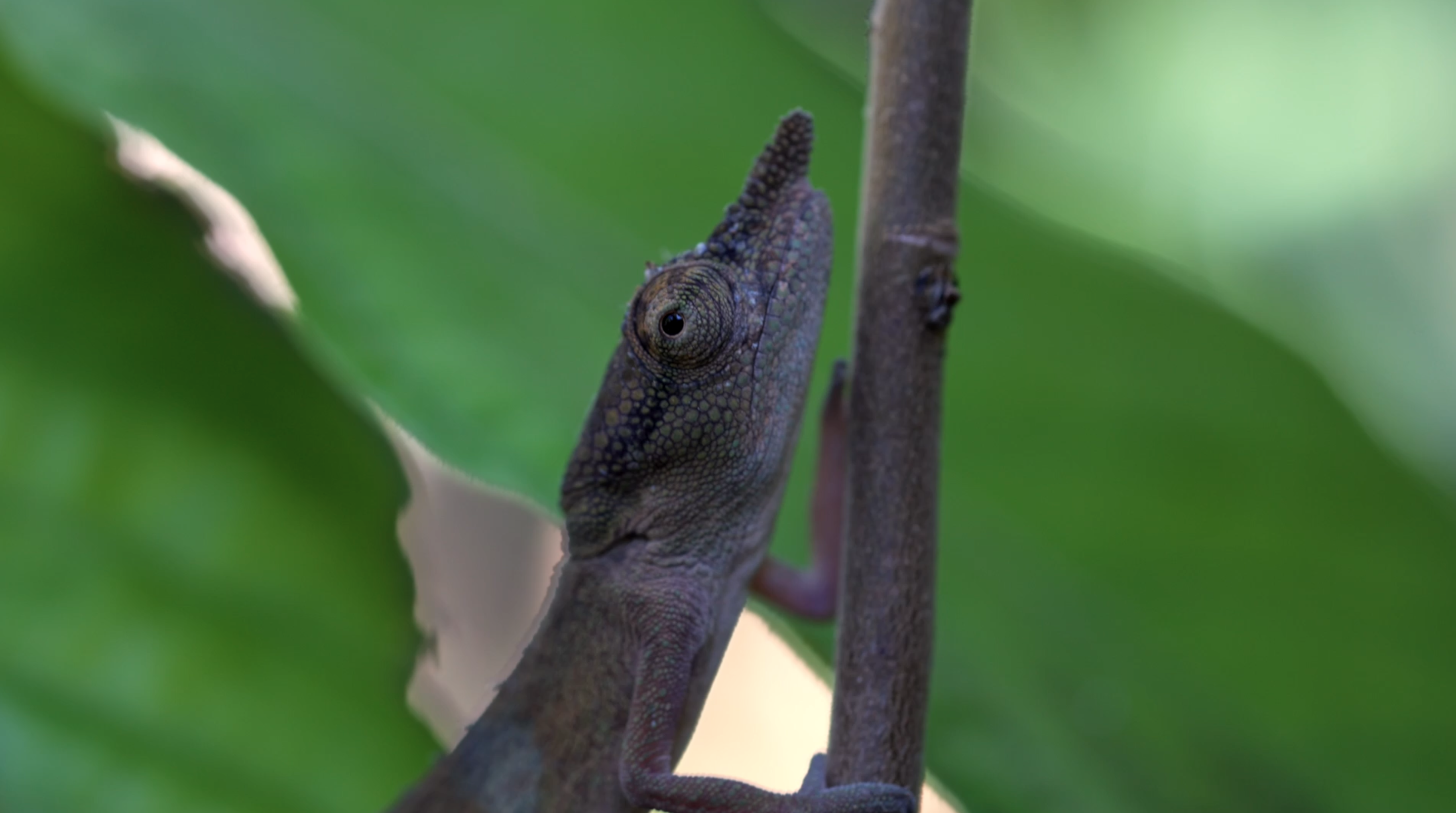
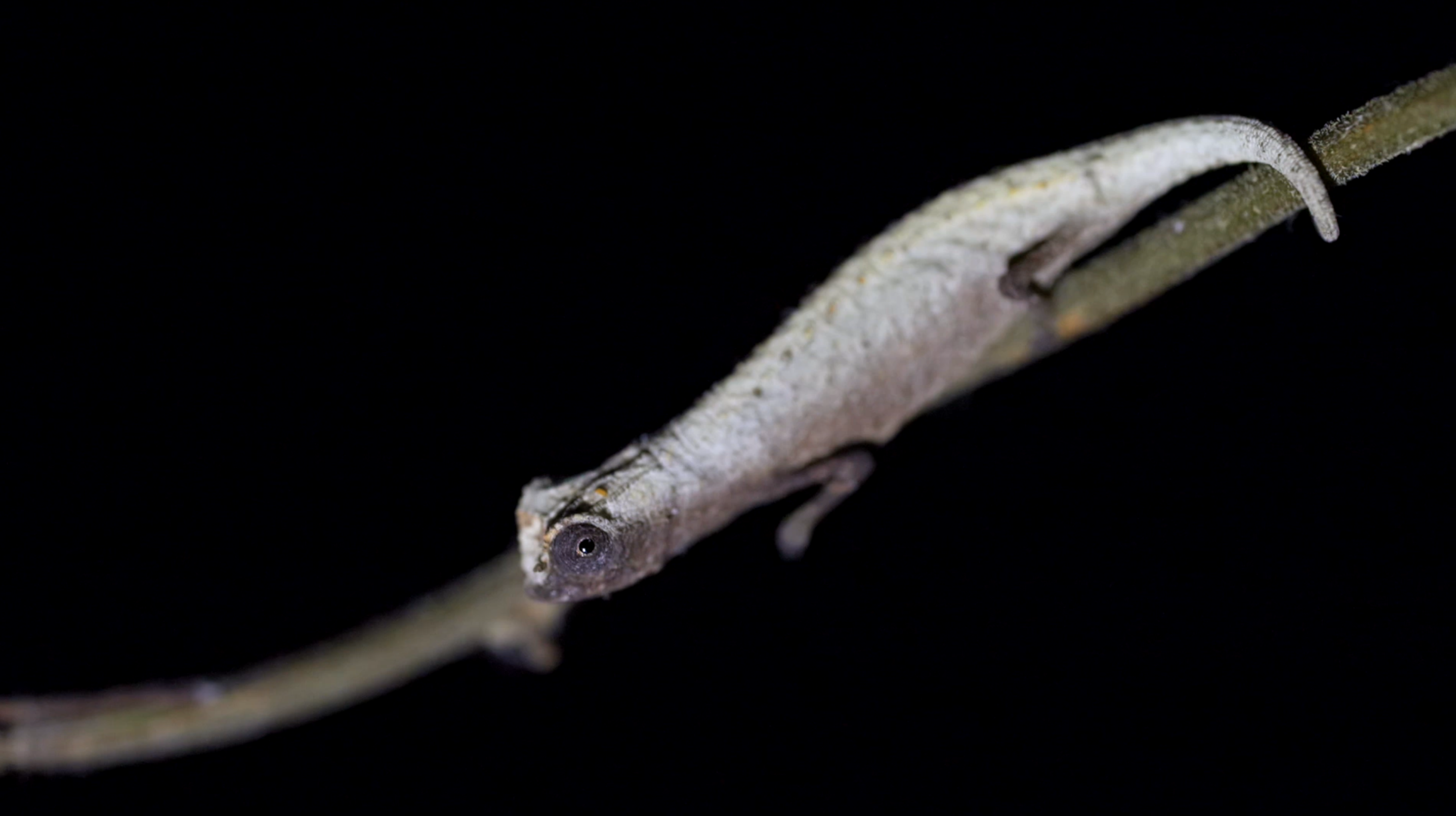
Follow researchers deep into remote rainforest habitats where every expedition uncovers new insights. From nocturnal surveys tracking elusive leaf-tailed geckos to detailed behavioral studies of panther chameleons, witness the meticulous work that informs conservation strategies.
Bridging Communities
Conservation succeeds when local communities become champions. Explore educational initiatives that transform understanding of endemic wildlife, training programs that create sustainable livelihoods, and the remarkable partnerships forming between scientists and villages protecting their natural heritage.
Masters of Adaptation
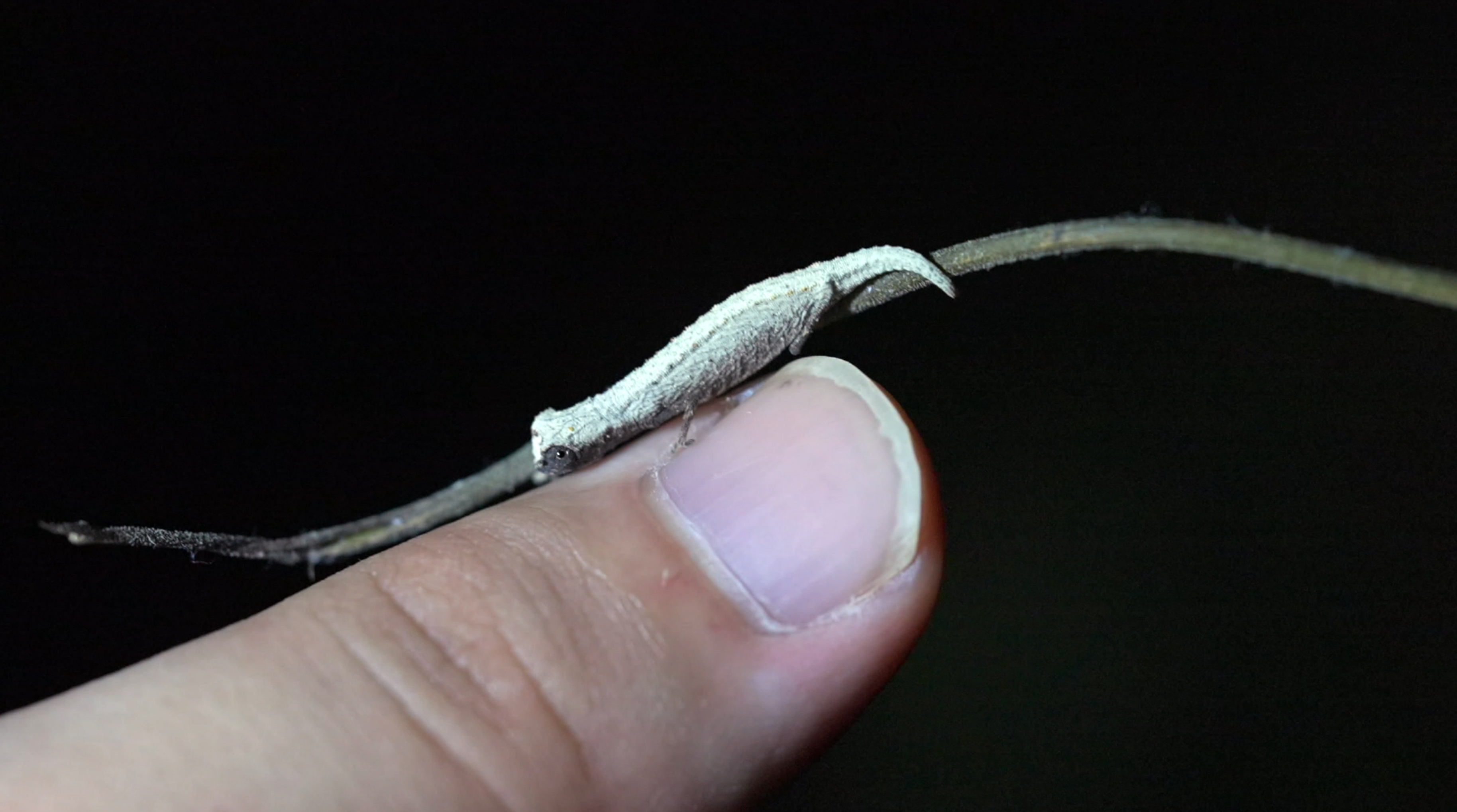
Madagascar's reptiles showcase evolution's creativity: chameleons with ballistic tongues, geckos mimicking bark with photographic precision, and iguanas found nowhere else on Earth. Document the extraordinary adaptations that make these species irreplaceable and why their loss would diminish our planet forever.
Discovery and Wonder
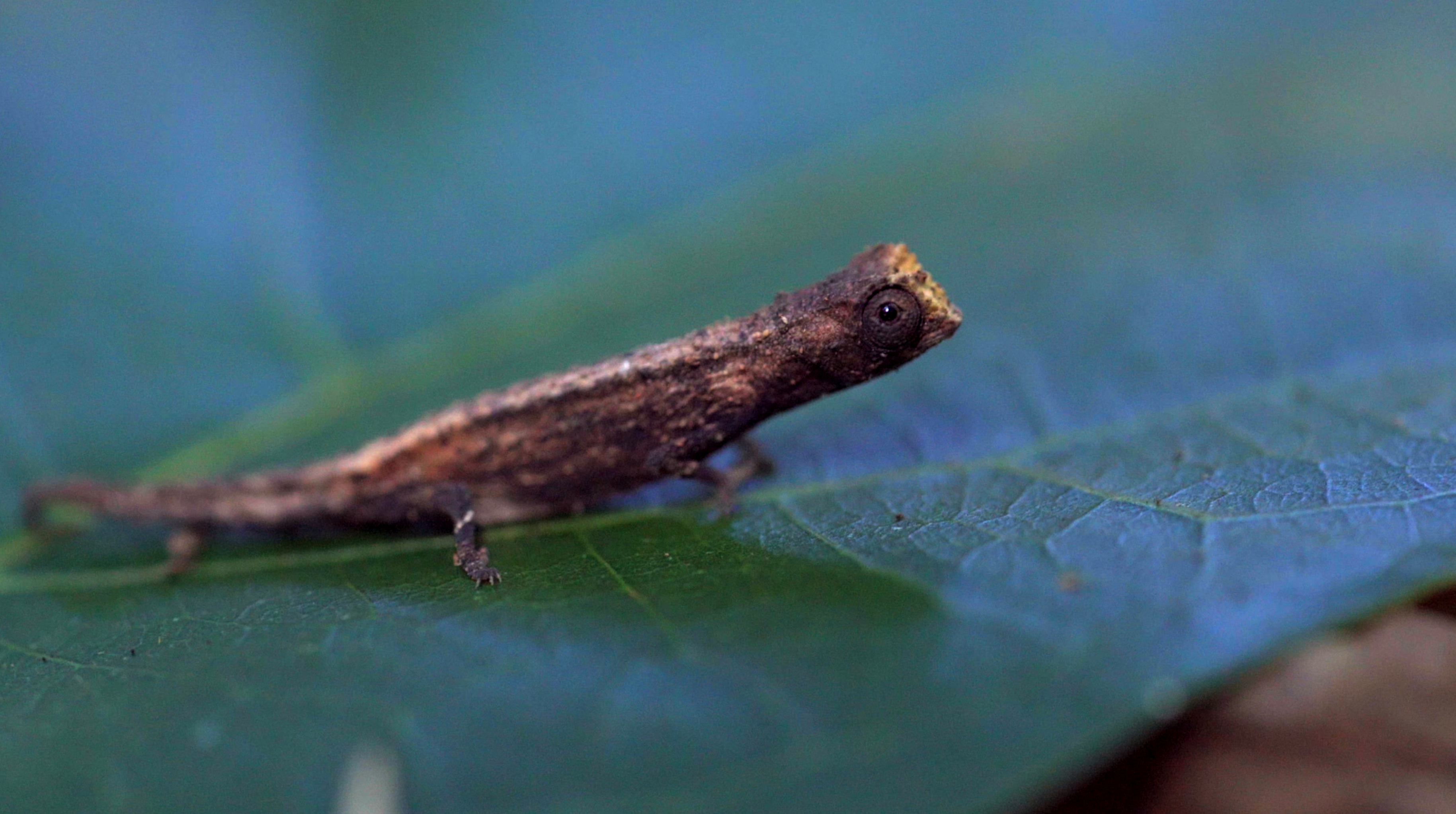
Walking into Madagascar's rainforest feels like stepping through a portal to another world. Ancient trees tower overhead, their canopies thick with life. Chameleons rotate independent eyes, tracking invisible insects. Leaf-tailed geckos press flat against bark, vanishing before your eyes. This isn't just biodiversity - it's evolution's imagination running wild. With over 200,000 species calling this island home, 80% exist nowhere else on Earth. Madagascar didn't just impress me; it fundamentally shifted how I understand our responsibility to nature.
The Fragile Thread
But wonder gives way to worry quickly here. As I moved through the forest, the evidence became impossible to ignore: fresh logging cuts, burn scars from slash-and-burn agriculture, trails widening into roads. Local communities aren't villains in this story; they're survivors navigating impossible choices between feeding families and preserving forests. The real crisis isn't people versus nature - it's poverty forcing those who love these lands most to consume what sustains them. Each cleared hectare represents both lost habitat and desperate human need.
Endemic Treasures
Madagascar's reptiles showcase evolution's creativity in isolation. From leaf-tailed geckos that perfectly mimic bark to chameleons with ballistic tongues, these species developed over millions of years without influence from mainland Africa. The island is a living laboratory of adaptation - home to creatures found nowhere else on our planet.
Conservation Urgency
The statistics are sobering. Deforestation claims thousands of hectares yearly. Climate change pushes species beyond their adaptive limits. What took millions of years to evolve could vanish within decades. Yet hope persists through dedicated conservation efforts, community education programs, and the tireless work of researchers documenting these species before they disappear.
Field Research
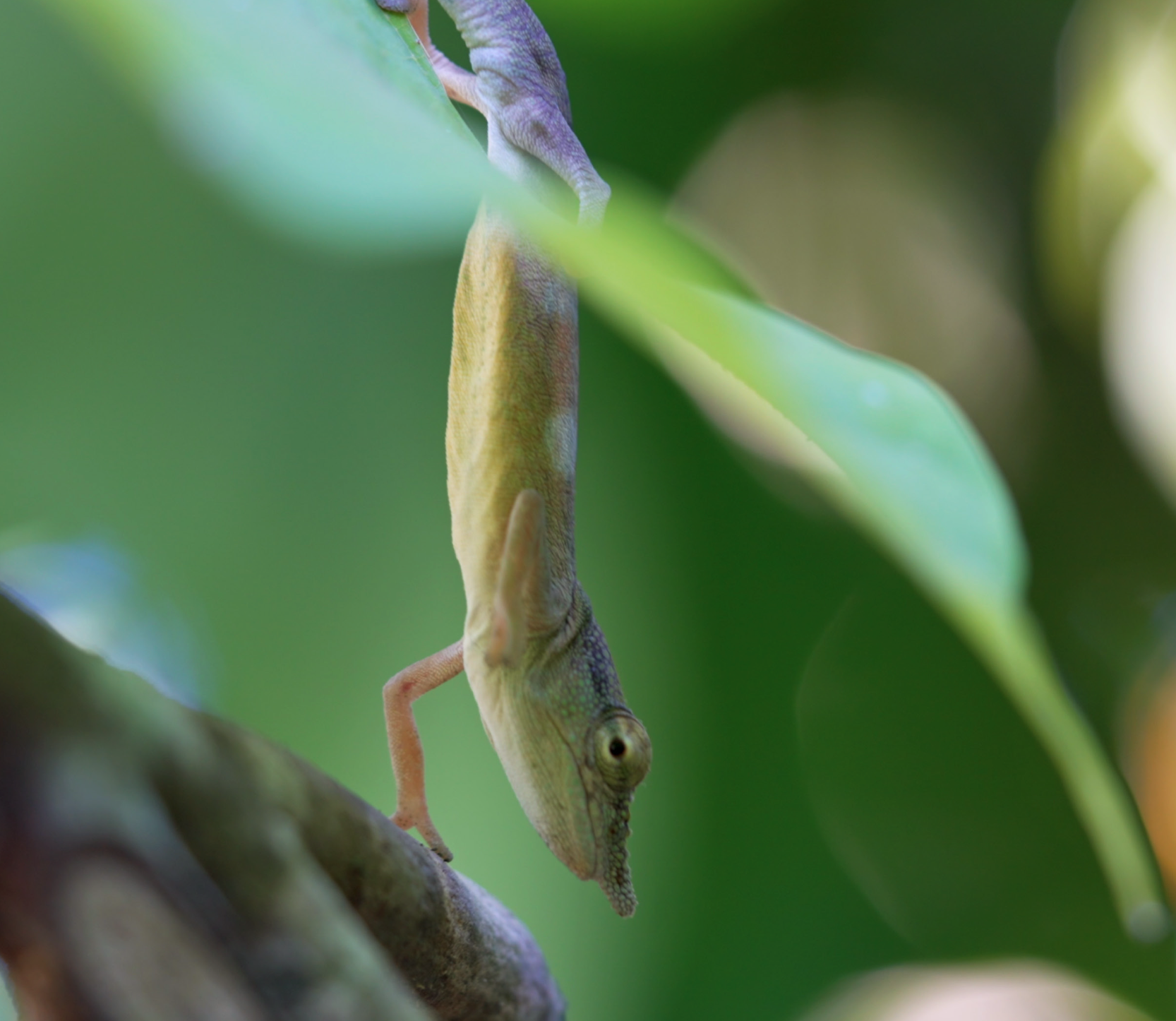
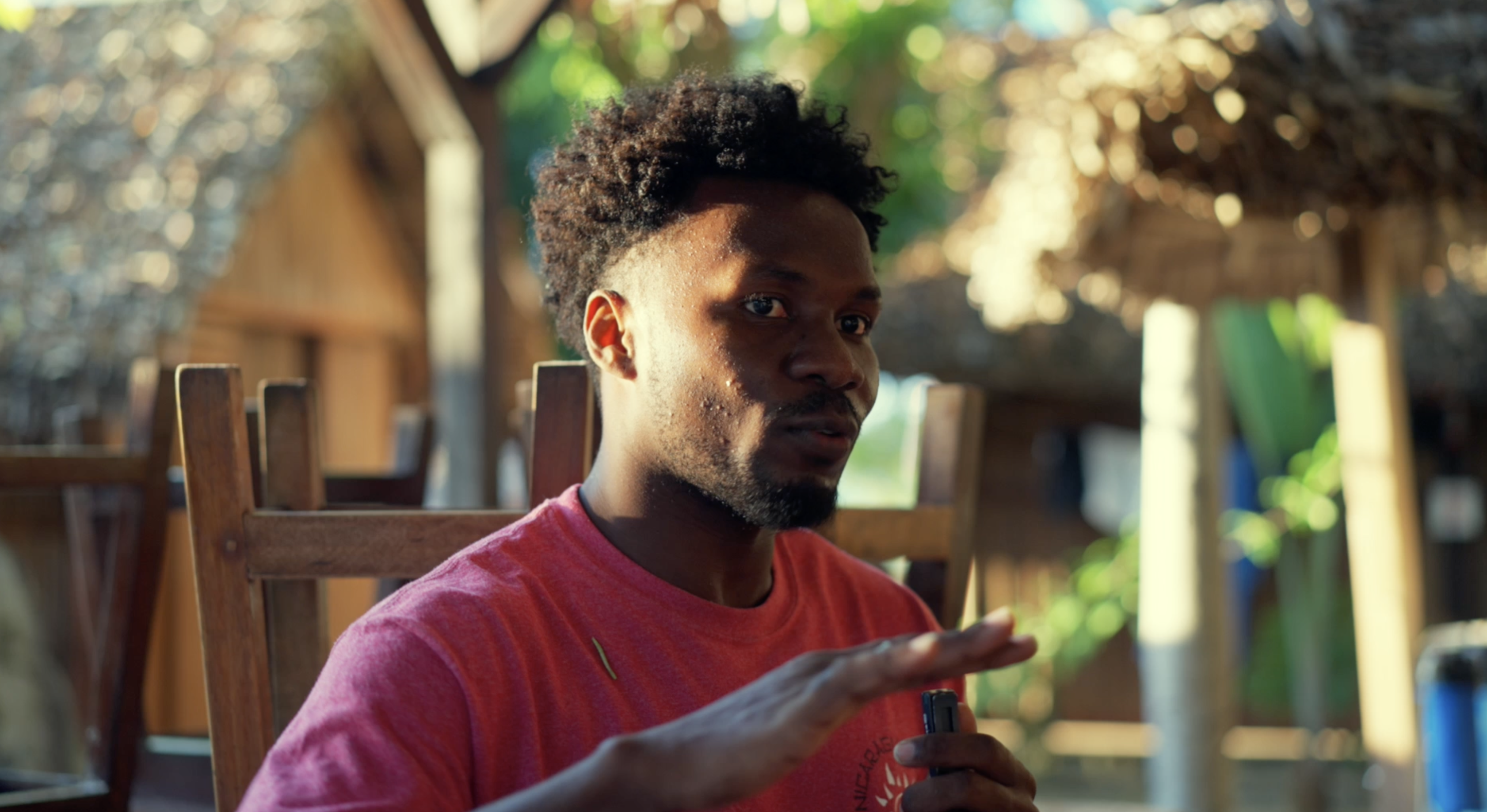
Every expedition into Madagascar's rainforests reveals new insights. Nocturnal surveys track elusive species. Behavioral studies document adaptations. Habitat assessments inform protection strategies. This meticulous fieldwork forms the foundation of effective conservation: understanding species needs before we can protect them.
Community Connection
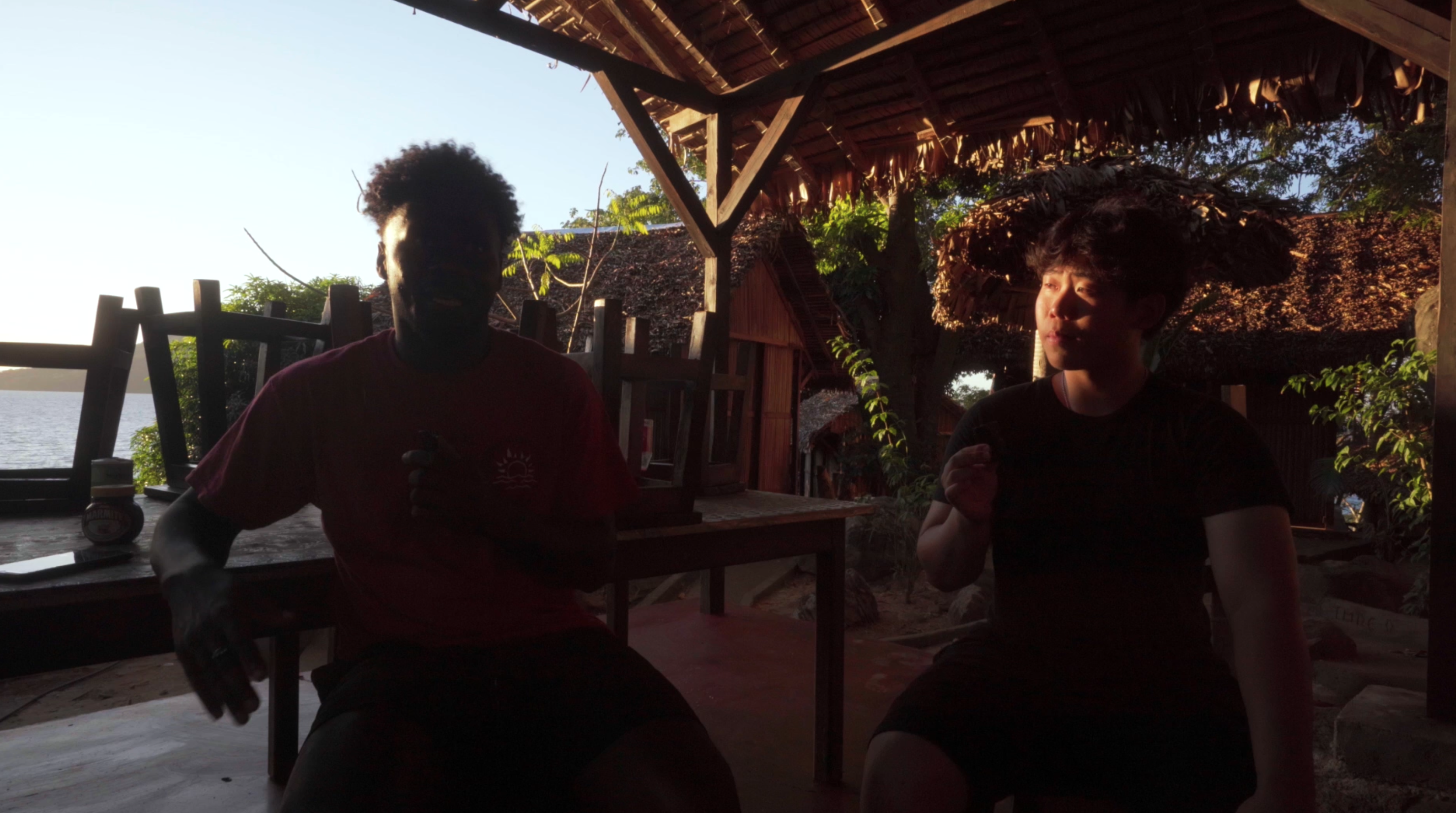
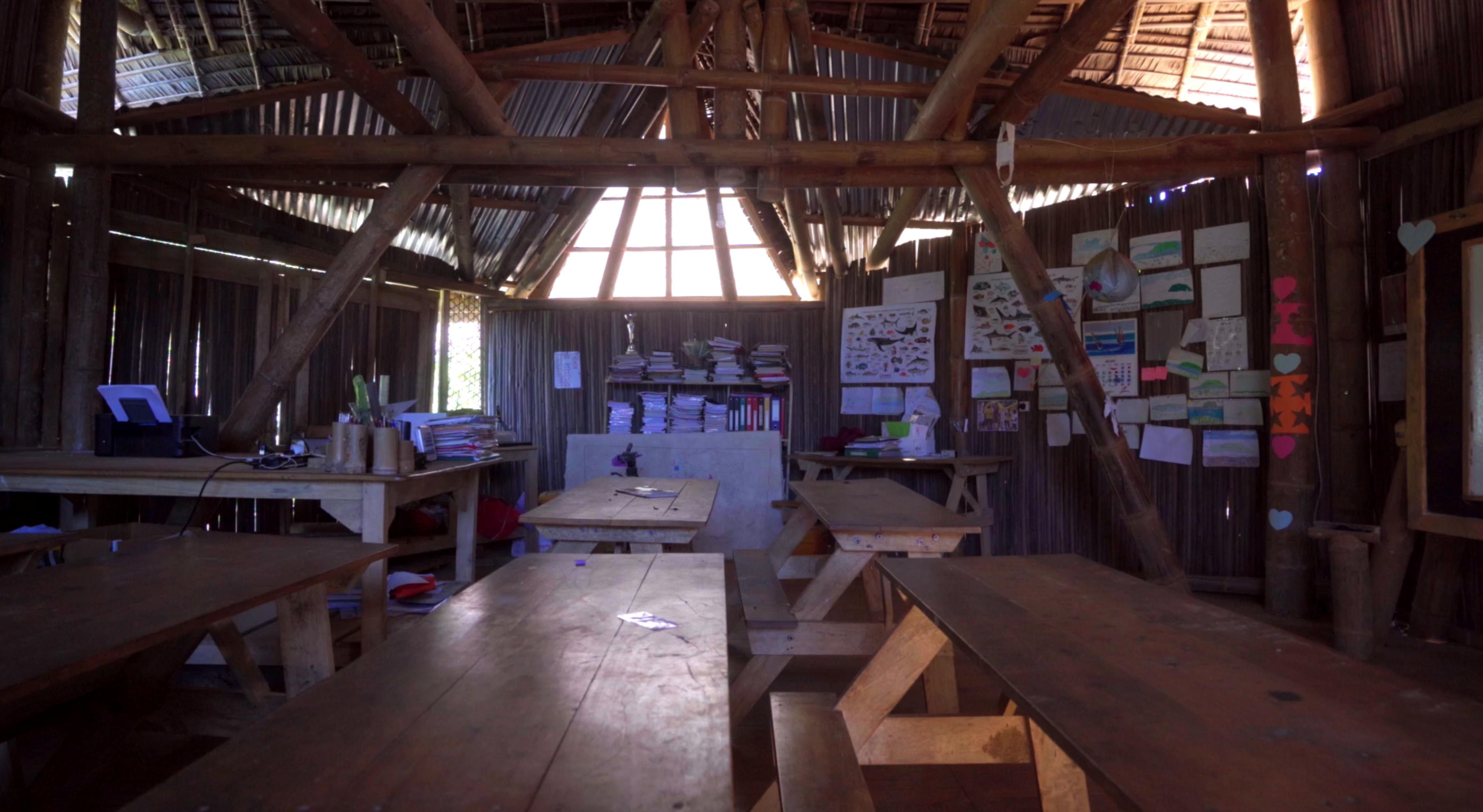
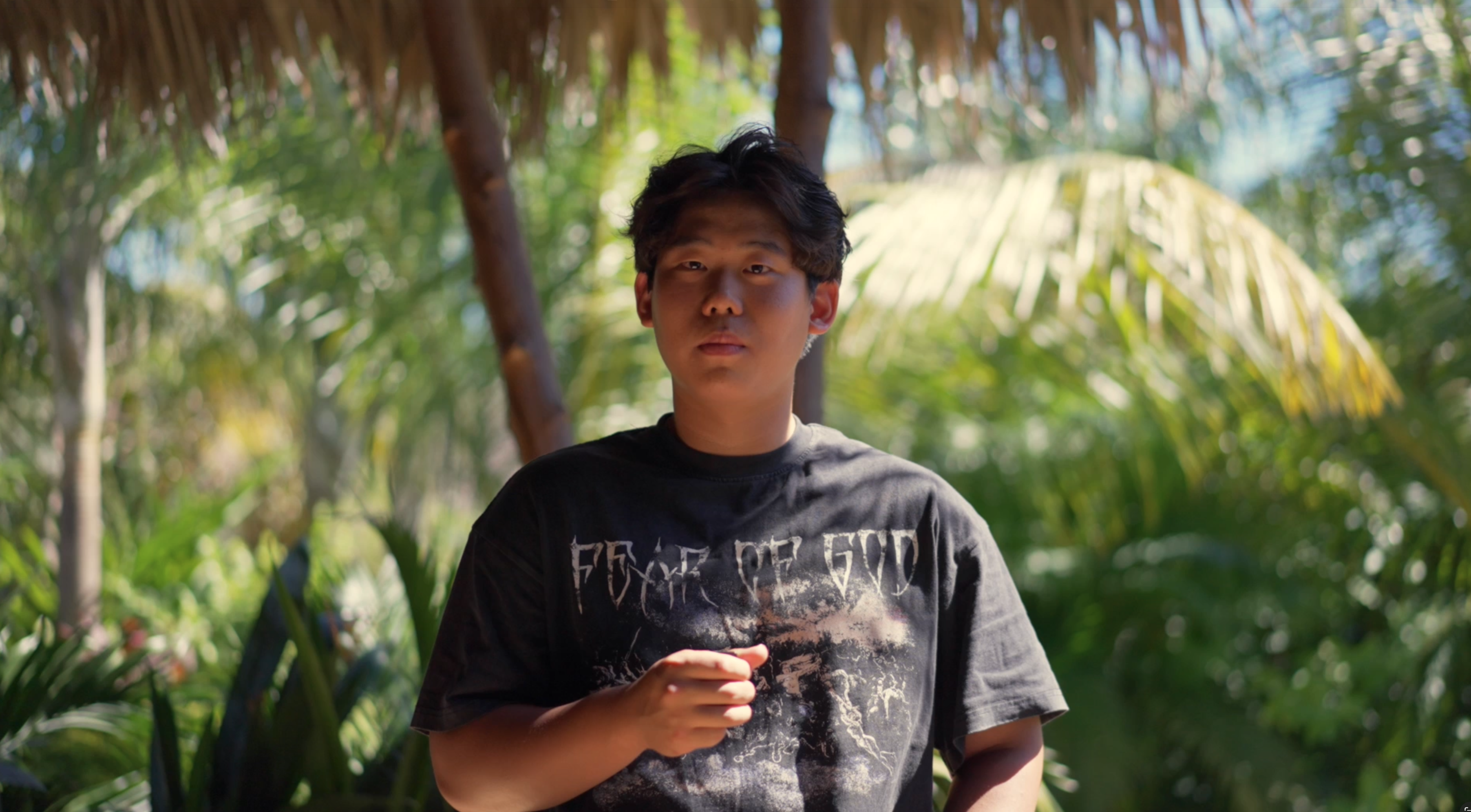
Conservation succeeds only when local communities become partners. Educational programs transform understanding. Training creates sustainable livelihoods. Villages protecting their forests protect global biodiversity. The future of Madagascar's wildlife depends on these human connections as much as habitat preservation.
Blue Carbon Solutions
Leah Glass
She is passionate about ensuring that blue carbon and other ocean-based solutions make sense for both nature and the people whose livelihoods depend on the ocean. For the last decade she had been based in Madagascar, working together with colleagues and grassroots community associations to develop some of the world's first blue carbon projects.
AKIBA
"Heritage" in Malagasy
AKIBA is an association which promotes and supports sustainable activities linked to education and nature in Nosy Komba.
Located in the middle of the rainforest, its values are the sharing of knowledge, openness to the world and the protection of the environment.
Sharing Knowledge
Education as the pathway to environmental consciousness and community empowerment
Openness to the World
Connecting local wisdom with global conservation movements
Environmental Protection
Sustainable practices that preserve rainforest ecosystems for future generations
The Third Classroom Project
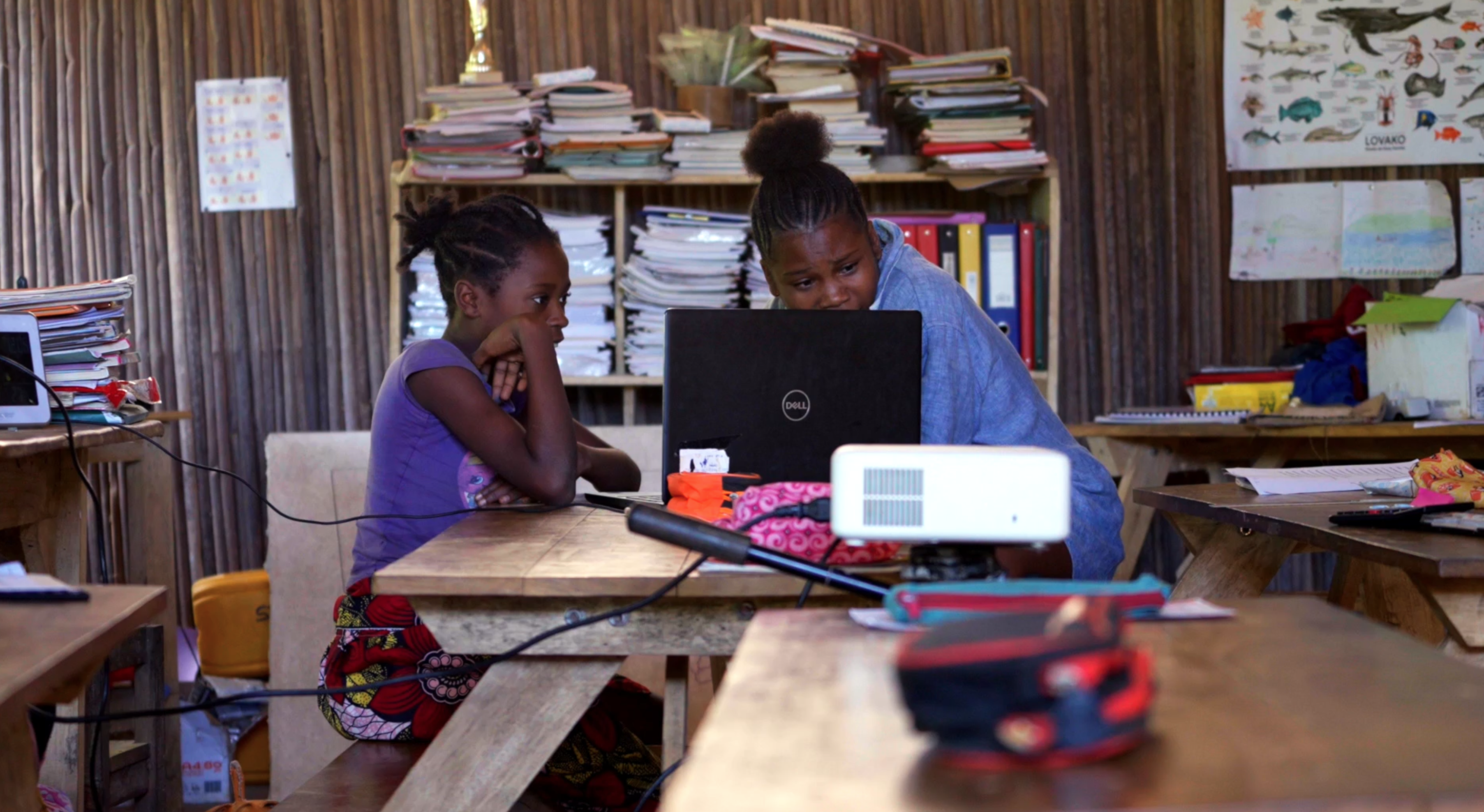
The project concerns the opening of a third classroom in AKIBA. The objective is to allow children to access proper education by studying in good conditions.
Madagascar is one of the poorest countries in the world, so education is the one way to make this change. This would help populations to improve their quality of life and to make them more conscious about their environment and about the current global challenges.
"To save the world's most vulnerable ecosystems, we must begin with the people who live alongside them. It is through empowering people- through knowledge, support, and respect - that we can hope to protect what we hold dear."
Working with MRCI
Madagascar Research and Conservation Institute
Justin & The Forest Team
MRCI Conservation Specialists
Deep in Madagascar's rainforests, the MRCI team works tirelessly to restore degraded habitats and protect endemic species. Their approach combines scientific rigor with community partnership.
Through habitat mapping, reforestation initiatives, and species monitoring, they're rebuilding ecosystems one tree at a time. Their work demonstrates that with dedication and local support, recovery is possible.
Madagascar Through the Lens
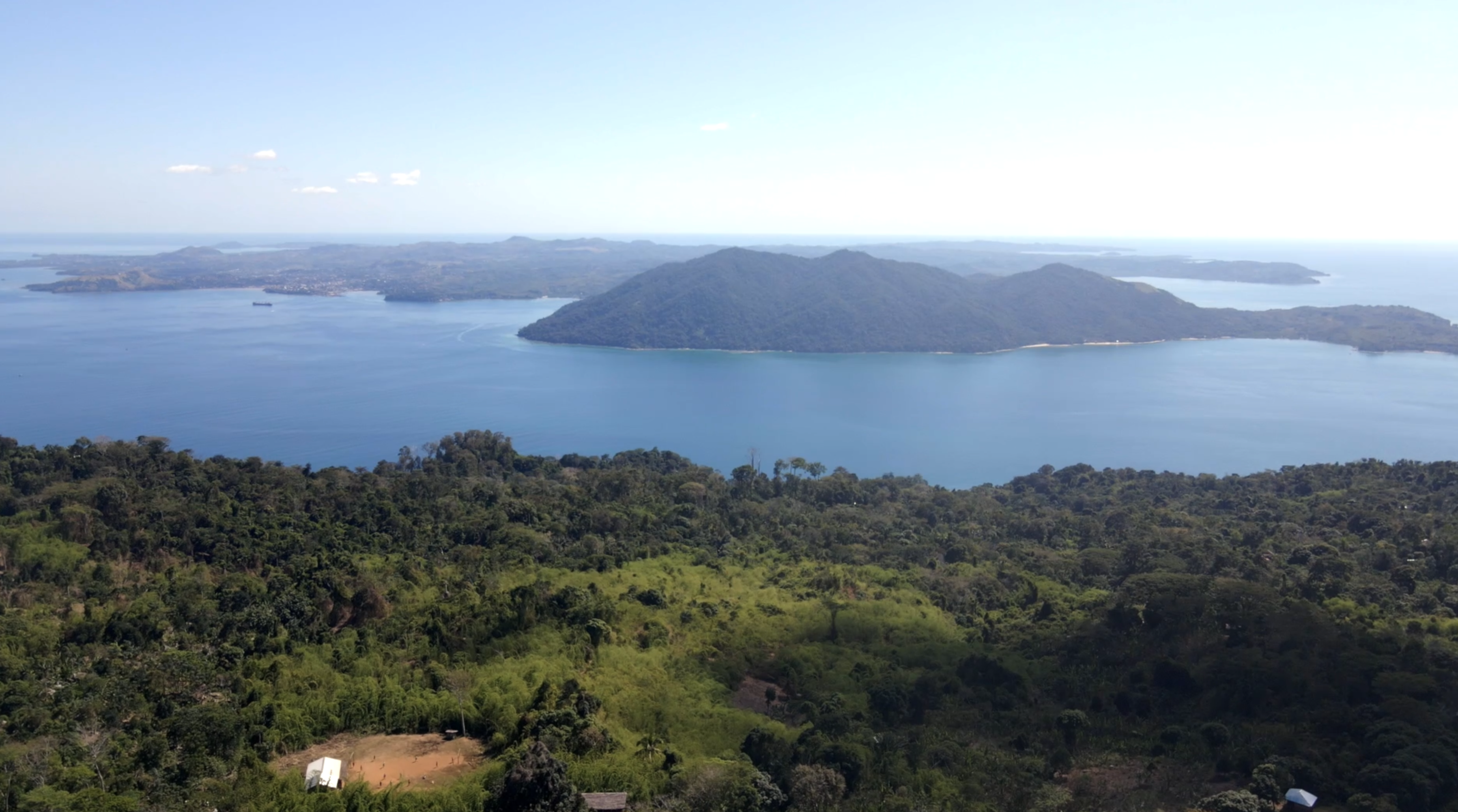
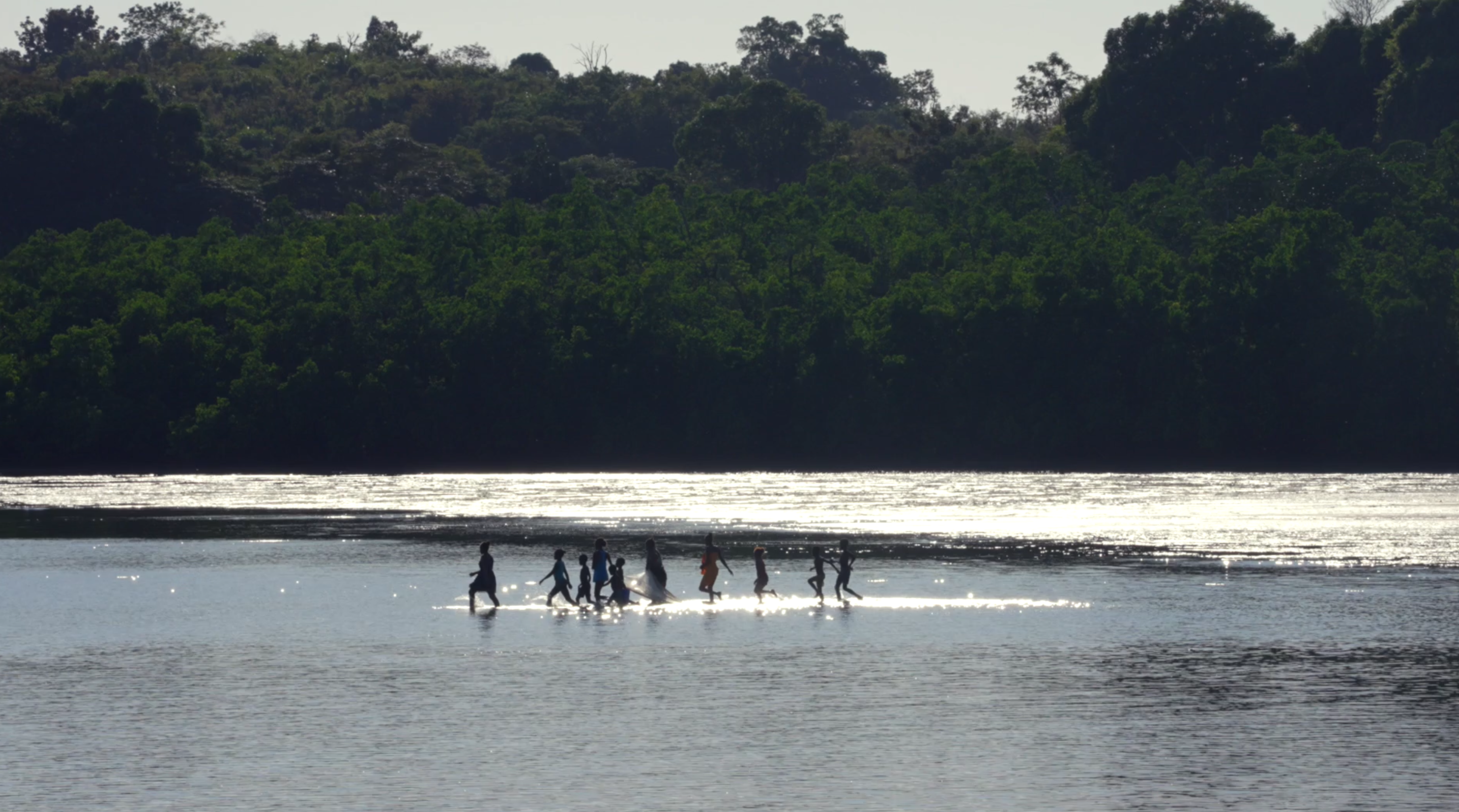
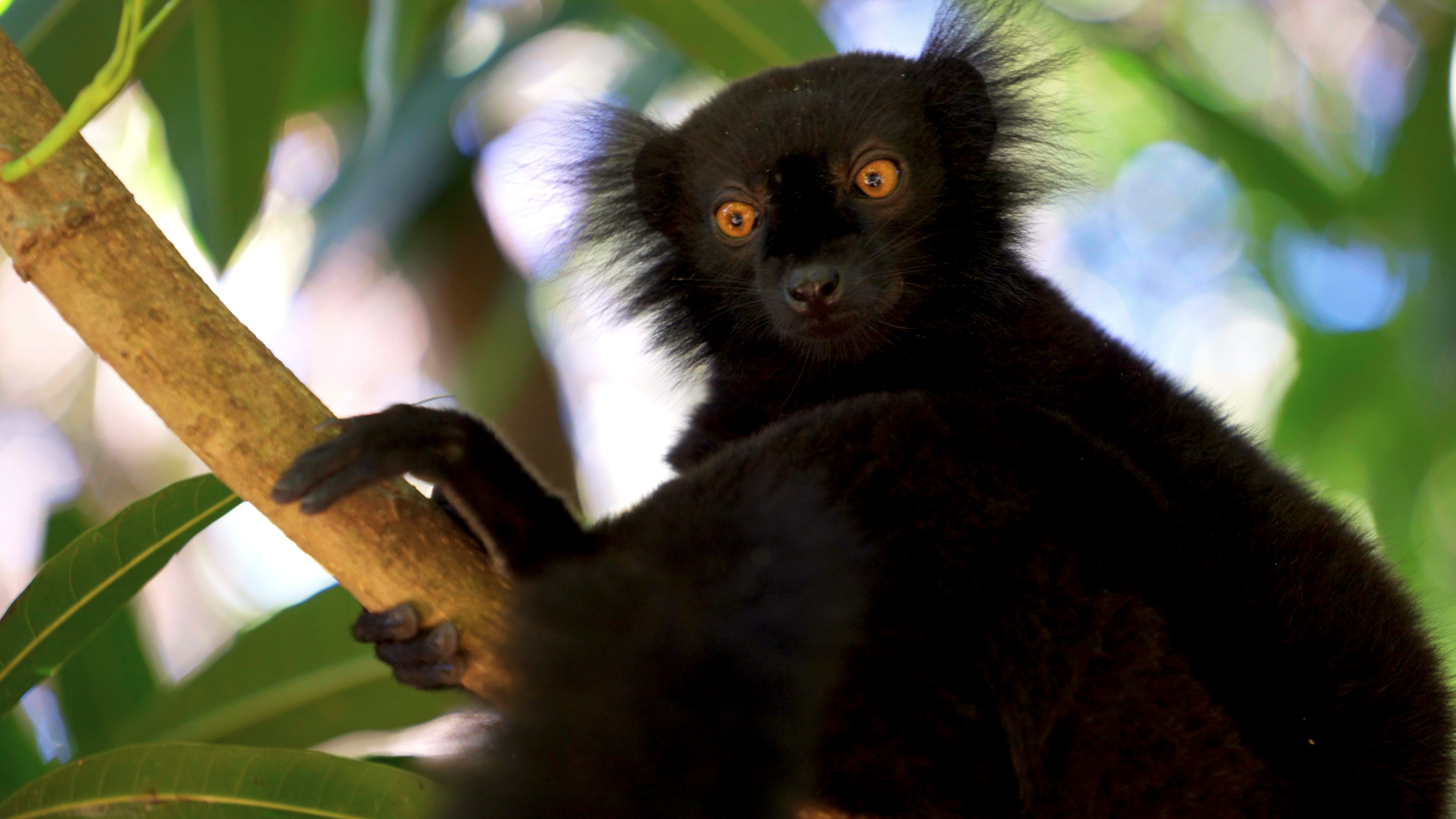
A visual documentation of Madagascar's breathtaking landscapes, unique wildlife, and conservation challenges
Madagascar EBook
Dive deeper into the complete story with our comprehensive digital book documenting Madagascar's wildlife, conservation challenges, and the journey of discovery
Scroll through the embedded book below or download for offline reading
The Journey Continues
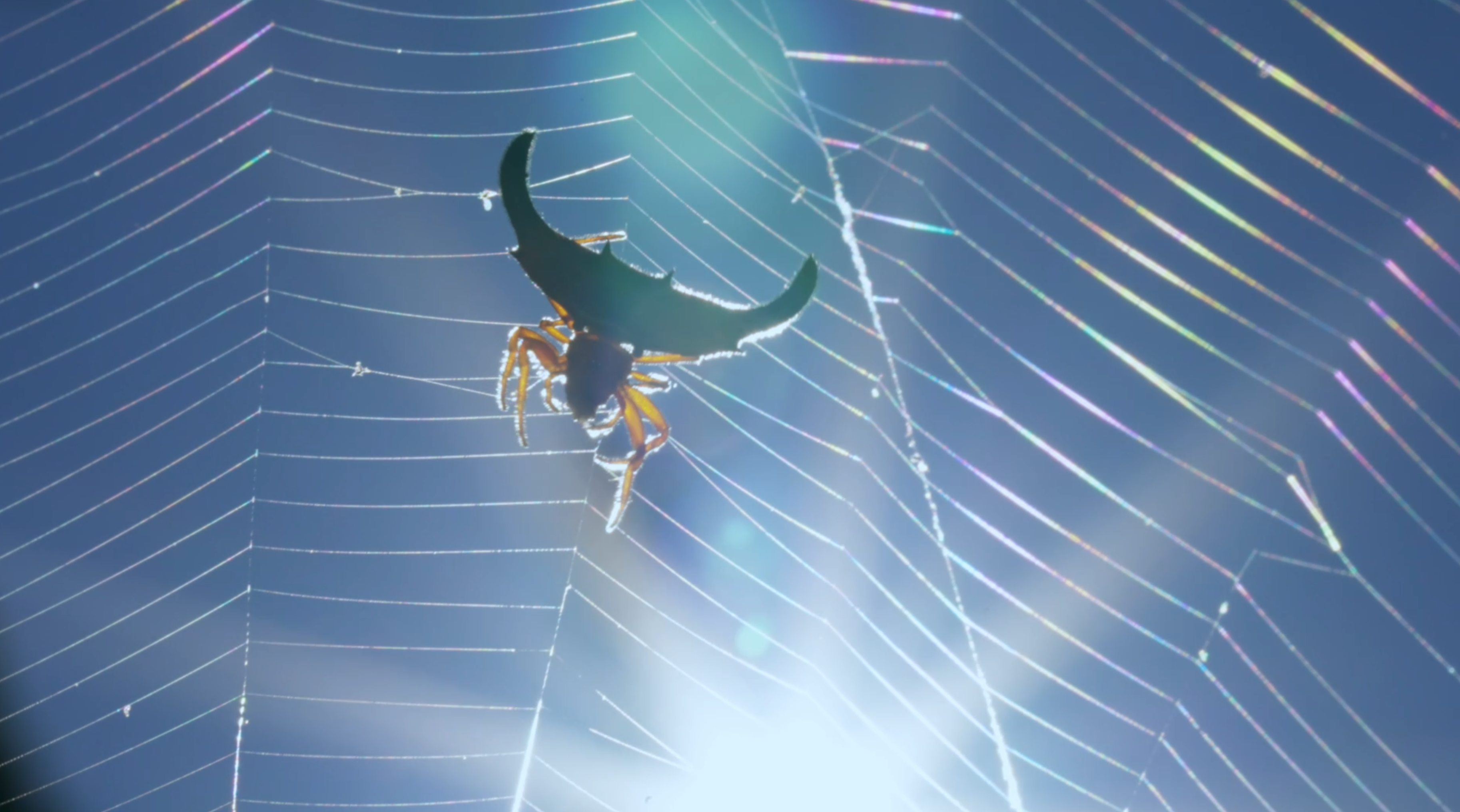
Every photograph tells a story of resilience, adaptation, and the urgent need for conservation. Madagascar's ecosystems are fragile and irreplaceable—protecting them is protecting a piece of Earth's evolutionary history.
Join Our Conservation Efforts